Neuro-Affirming Support for Parents Navigating The Long Middle of Burnout Recovery
A neuro-affirming methodology for supporting families navigating the long middle of autistic burnout recovery.
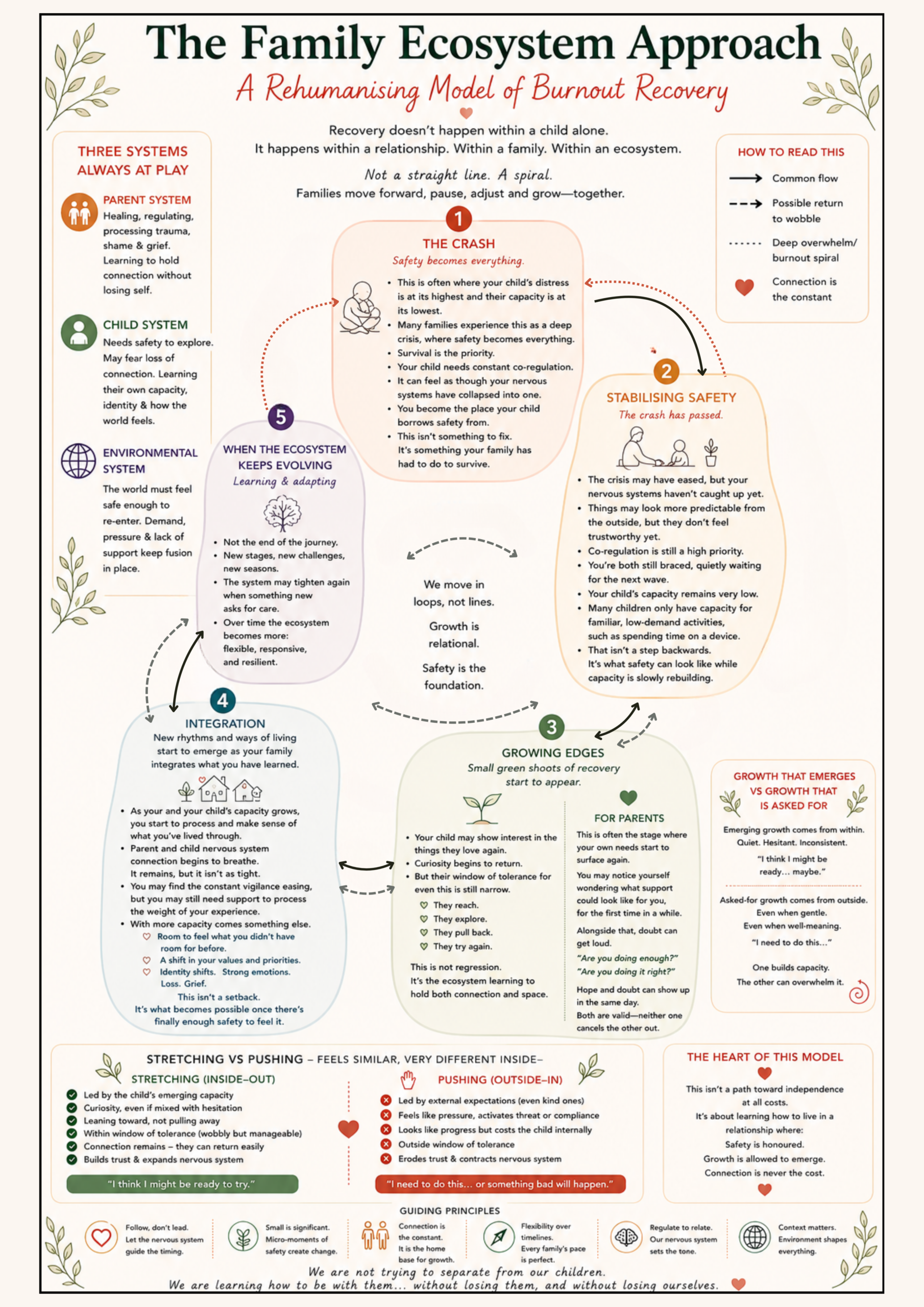
Families are not machines with broken parts. They are living ecosystems that need tending, not fixing. The Family Ecosystem Approach holds the child’s recovery and the parent’s healing as equally important and deeply interconnected, because children heal within ecosystems, and ecosystems shift when the mother is truly supported.
The Family Ecosystem Approach is an overarching methodology developed by Tanya Valentin to support families navigating autistic burnout recovery.
It draws on six theoretical foundations and organises them into six signature frameworks that together form a coherent, integrated map for understanding and supporting families in the long middle of recovery.
It sits within a tradition of relational, nervous-system-informed, and ecologically-grounded practice. It is not a programme to complete or a set of strategies to implement. It is a way of seeing families that changes how support is offered, what questions are asked, and what healing is understood to require.
What makes it distinctive is its specific focus on the long middle of burnout recovery, the terrain between the crisis and okay again that is almost entirely absent from existing support frameworks. And its insistence that the mother’s healing is not separate from her child’s recovery.
It is part of the same ecosystem.
This methodology is grounded in six bodies of work that together offer an unusually integrated and holistic lens on families, nervous systems, grief, and healing.
Human development occurs within nested systems of relationships and environments.
This grounds the understanding that burnout recovery is ecological, not individual, and that the whole family system must be considered, not just the child.
Bronfenbrenner, U. (1979). The ecology of human development: Experiments by nature and design. Harvard University Press.
Bronfenbrenner, U., & Morris, P. A. (2006). The bioecological model of human development. In W. Damon & R. M. Lerner (Eds.), Handbook of child psychology: Vol. 1. Theoretical models of human development (6th ed., pp. 793–828). John Wiley & Sons.
Wellbeing has four interconnected dimensions: spiritual, mental and emotional, physical, and family and social.
This model holds the wholeness of the person and the centrality of whanau (family and community) in healing.
Durie, M. (1994). Whaiora: Māori health development. Oxford University Press.
Durie, M. (1984). Te Whare Tapa Whā: A Māori model of health. In Proceedings of the Māori Health Planning Workshop. Department of Health, Wellington, New Zealand.
Children are whole, competent, and agentic from birth. Support means doing things with children and families, not to them. This grounds the philosophy of respectful, attuned practice that runs through every framework. Pikler, E. (1971). Learning of motor skills on the basis of self-induced movements. In J. Hellmuth (Ed.), Exceptional infant: Vol. 2. Studies in abnormalities (pp. 54–89). Brunner/Mazel. Tardos, A., & David, M. (1991). Can we help the baby to freely move? Sensory Integration Quarterly, 19(4), 1–4. Gerber, M., & Johnson, A. (1998). Your self-confident baby: How to encourage your child’s natural abilities from the very start. John Wiley & Sons. (Practical extension of Pikler’s approach) |
Nervous systems move at the speed of safety, not pressure.
Social connection and felt safety are the pathways to regulation and recovery.
This underpins the entire approach to supporting burnout recovery.
Porges, S. W. (1994). The Polyvagal Theory: Phylogenetic substrates of a social nervous system. International Journal of Psychophysiology, 42(2), 123–146.
Porges, S. W. (2011). The Polyvagal Theory: Neurophysiological foundations of emotions, attachment, communication, and self-regulation. W. W. Norton & Company.
Dana, D. (2018). The Polyvagal Theory in therapy: Engaging the rhythm of regulation. W. W. Norton & Company. (Accessible clinical application)
Grief is sacred and necessary.
Healing requires communal witness and the integration of what has been lost.
This informs the soul layer of the work, particularly the Held parent circles and identity work in later recovery.
Weller, F. (2015). The wild edge of sorrow: Rituals of renewal and the sacred work of grief. North Atlantic Books.
The relationship between caregiver and child is a dance of co-regulation and differentiation.
Tending that dance is the ground of all development and informs the Safe Enough to Stretch framework.
Brownlee, P. (2011). Magic places: Young children in their school environments. New Zealand Playcentre Publications.
Brownlee, P. (2004). Dance with me in the heart: The adults’ guide to great infant and toddler experiences. New Zealand Playcentre Federation.
Six signature frameworks sit beneath The Family Ecosystem Approach. Each addresses a different dimension of the family’s experience in the long middle of burnout recovery. Together they form an integrated map for understanding and supporting families.
01 | Philosophy
A fundamental reorientation from fixing to tending.
Families are living ecosystems that need safety, nourishment, and time, not diagnosis and repair.
02 | Understanding Lens
Every person’s nervous system state influences every other person’s.
This framework names the invisible relational forces at work in a family navigating burnout.
03 | Discernment
A practical lens for navigating when to hold steady and when to gently expand.
Core principle: Stretch and Stay. Two nervous systems learning to co-regulate while slowly differentiating.
04 | Recovery Map
A three-stage map for burnout recovery: Stabilising Safety, Growing Edges, and Integration.
Non-linear, unpredictable, and completely normal.
05 | Values and Permission
Releasing the cultural expectations that strip parents of their humanity.
Permission before strategy.
Naming before instruction.
Validation before tools.
06 | Practice
A five-movement relational practice for navigating difficult moments.
Notice, Name, Navigate or Negotiate, Nurture, Reframe.
To support mothers of neurodivergent children navigating the long middle of autistic burnout recovery, not by asking them to do more, but by helping them come home to what is already wise within them.
Compassion and Connection
Warmth, understanding, and deep care at the centre of everything. No parent should feel alone.
Integrity
No quick fixes, guaranteed timelines, or performative transformation. Only honest, grounded, nervous-system-safe support.
Advocacy and Systemic Change
This work does not stop at individual families. It works toward more just and inclusive futures for neurodivergent people.
Empowerment
The goal is never dependency. It is to return confidence, capacity, and self-trust to the people who need it most.
Sustainable Support
Long-term wellbeing over short-term performance. An approach built to last.
The belief that burnout recovery does not respond well to urgency, pressure, or promises of quick transformation.
What this work offers is steadiness, context, and community. A neuro-affirming, low-demand approach that prioritises safety, relationship, and dignity.
Support that respects the pace of nervous systems and the intelligence of families.
What this Work is:
|
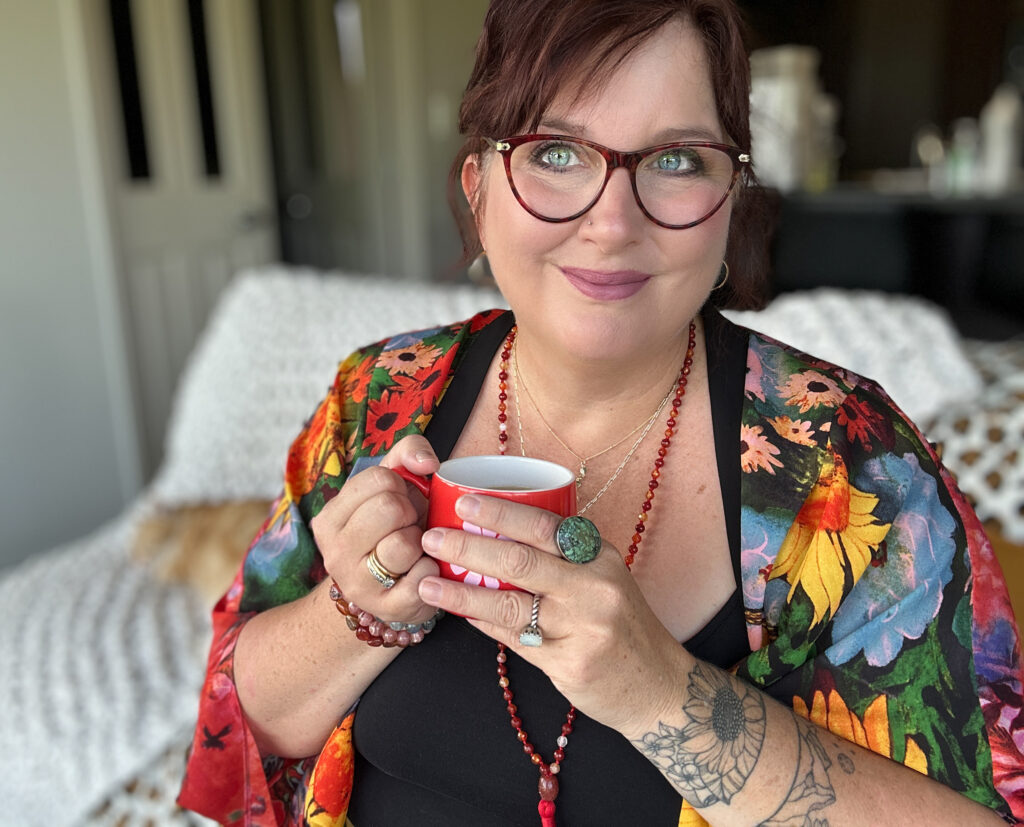
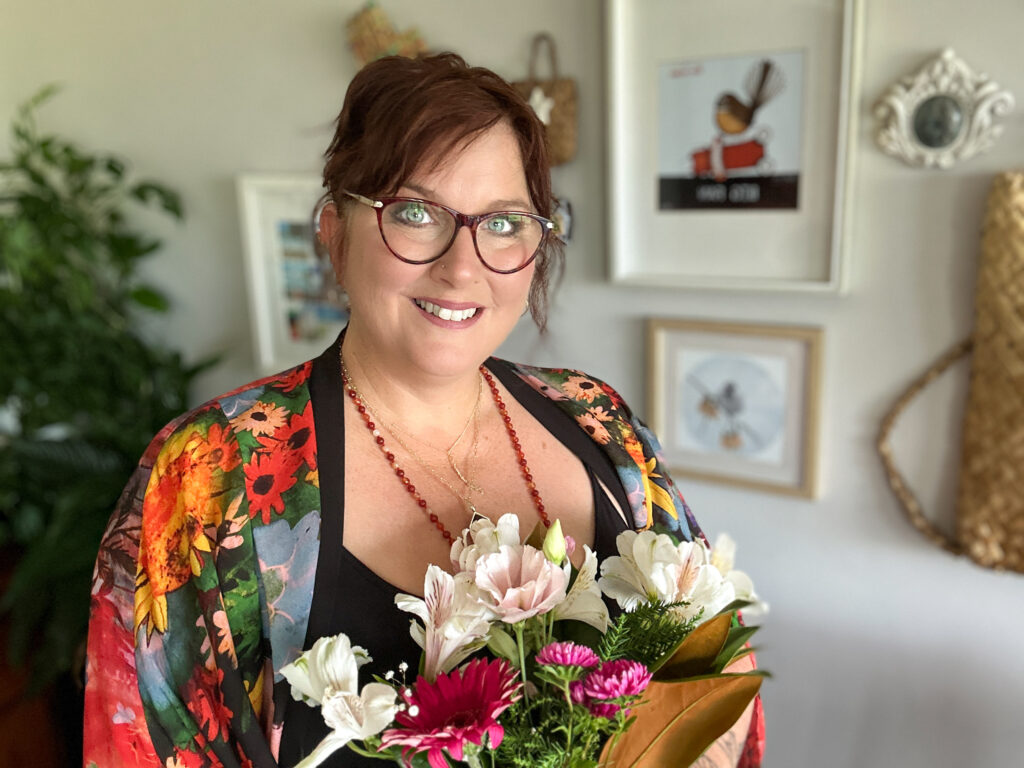
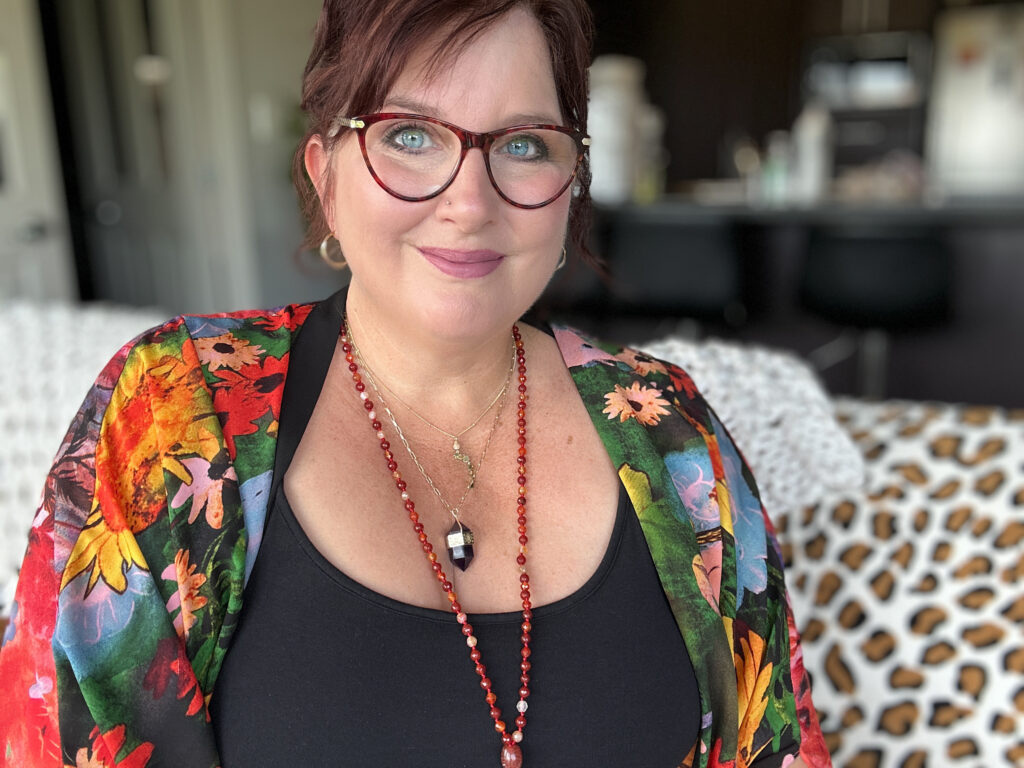
Tanya Valentin is an AuDHD mother, neuro-affirming family coach, author, podcaster, and community builder based in Whangarei, New Zealand.
She is the founder of From Burnout to Balance, co-host of the podcast Meltdowns Menopause and Magic with Emma Gilmour, and the author of Tiny Anchors. Her work is available globally through online delivery and she is preparing the ground for a book on the Family Ecosystem Approach, expected 2027.
If you are a professional, organisation, podcast host, event organiser, or aligned brand who would like to explore collaboration, speaking, or media opportunities, I would love to hear from you.
Please read the Collaborators Guidelines before getting in touch. They will help you understand what I am open to, what I ask of collaborators, and how to make the most of any inquiry.