Tanya Valentin
Neuro-Affirming Support for Parents Navigating The Long Middle of Burnout Recovery
You are not failing your child.
You are navigating a journey no one prepares parents for.
If you are parenting a child or teen in autistic or neurodivergent burnout, or you are somewhere between the crisis and okay, wondering why things still feel so hard or why burnout recovery is taking so long?
Then you are in exactly the right place.
During the long middle of burnout recovery, it is common for parents to wonder whether they are doing enough or how long burnout recovery is going to take.
If this is you, please know that you are not the only one.
This is real, exhausting, and rarely talked about.
If you have found your way here, you are probably:
Parenting a neurodivergent child or teen in burnout.
Maybe you are somewhere past the worst of the crisis but nowhere near okay.
Navigating the heartbreak of watching your child struggle with school, friendships, or basic daily life.
Exhausted from holding everything together while the people around you still do not quite understand.
Wondering whether you are doing the right thing, whether things will ever feel steadier, and worrying about what the future may hold for your child, for you, and for the whole family.
Running on empty but still showing up every single day.
You are not failing. You are responding to something extraordinarily complex with love, care, and very little support.
Here is the part of burnout recovery almost no one talks about.
The long, confusing, non-linear middle of burnout recovery, where your child is not in full collapse anymore, but is not okay yet either.
Where good days and hard days arrive without warning.
Where progress looks nothing like what you expected.
Where you have read everything, tried everything, and still feel lost.
Nervous systems move at the speed of safety, not pressure.
And that takes time, support, and someone who understands the terrain.
This is the territory I work in.
I work with parents like you to make sense of where you are in the journey and help you navigate a more sustainable path forward for you and your family.
Understand the Long Middle

How I help parents
Unlike most approaches to burnout recovery, which advise parents to focus only on the child experiencing burnout, my work takes a family ecosystem approach because a child’s burnout recovery rarely happens in isolation.
There are three ways to find support, starting wherever you are.
Begin here; it is free. Tiny Anchors is a gentle 10-day email journey for overwhelmed parents navigating autistic burnout recovery. One small, grounding moment each day. No pressure, no overwhelm. Perfect for the parent who just needs a kind, compassionate, soft place to land.
Begin with Tiny Anchors
Stay supported. From Burnout to Balance is an ongoing membership community for the long middle of burnout recovery. A gentle, low-demand space to land and return to while healing unfolds in its own time.
Some parents come for the community, the live calls, the Voxer conversations, and the feeling of being in a room where they do not have to explain everything. Others come quietly, listening to a private podcast on a walk, working through a resource late at night, not visibly engaging at all. Both are completely welcome. Both are held. There is no right way to be here.
Explore the membership
Personalised support: For families navigating complex burnout recovery who need more individual guidance, 1:1 coaching is also available.
Learn about coaching
About Me
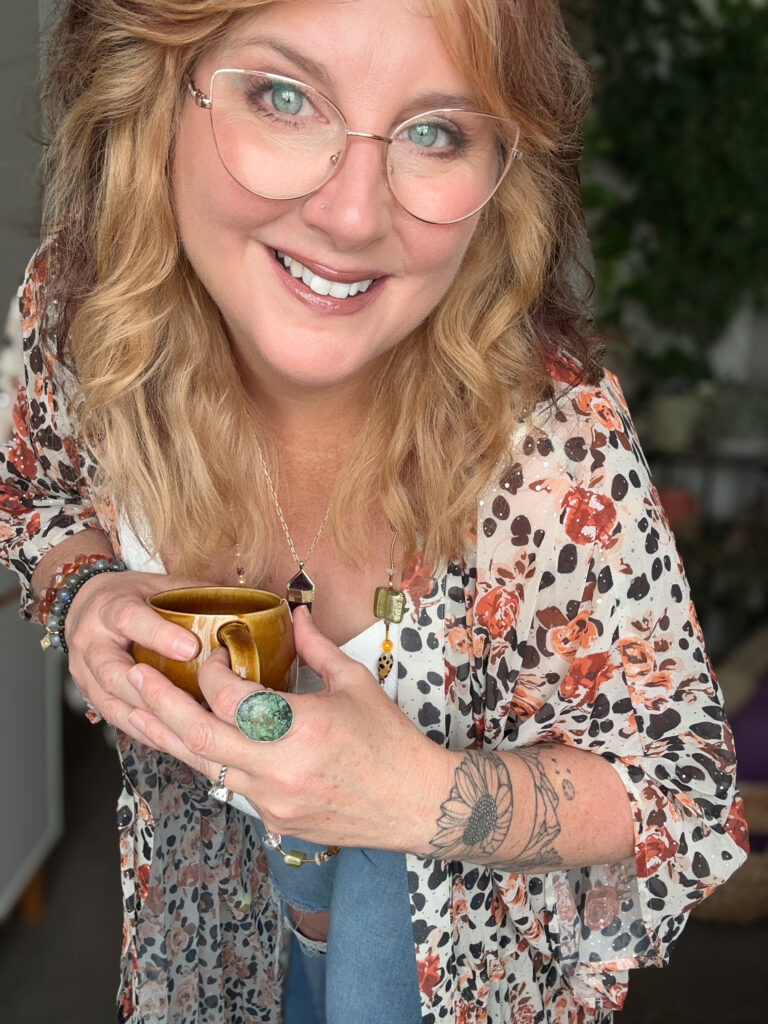
Hi, I am Tanya.
A mother, a coach, and someone who has lived what you are living.
I know the particular exhaustion of holding a family together while quietly falling apart. I know what it is to sit across from professionals who are missing the point. And I know the slow, non-linear, sometimes surprising work of finding your way through.
My work is built on that knowing. It exists because I needed it, and it did not exist yet.
Read my story
What parents often share
“I felt like I was drowning before I found Tanya.
Now I feel understood, supported, and like I actually have tools that work for my child.”
— Parent of a 13-year-old in burnout
“This is the first time someone made me feel like I wasn’t a bad parent.
Tanya sees you and your child as whole people.
Her work changed our family.”
— Member, From Burnout to Balance
Read more parent stories
You came here for your child. You are allowed to stay for yourself.
From Burnout to Balance is a gentle, low-demand membership community for parents in the long middle of burnout recovery. A place to land and return to while healing unfolds, at whatever pace your nervous system allows.
You do not have to have it all figured out to belong here.