Stabilising Safety in autistic burnout recovery and the 3 am thoughts nobody warned you about
The Family Ecosystem Approach Series, Part 3 of 7
You can feel it in small ways…
Your child is no longer going to school. After months of trying to get them there, that’s a relief.
The crisis has settled, the house is quieter, and some days almost feel ordinary, right in the middle of a life that looks nothing like it used to.
And yet your body has not gotten the memo.
You are still bracing in the doorway before you open it. Still waiting for the phone to ring.
Still listening for the tone in a voice from three rooms away.
Still doing the thing I have come to call anticipatory waiting mode, a nervous system that stays on alert even when nothing is currently wrong, because for so long, something almost always was.
This is stage two of the Family Ecosystem Approach. Stabilising Safety in Autistic Burnout Recovery.
The crash has passed, but your nervous systems have not caught up yet.
Things look more predictable from the outside, but you don’t quite know if you can trust this yet, not on the inside, not in your body.
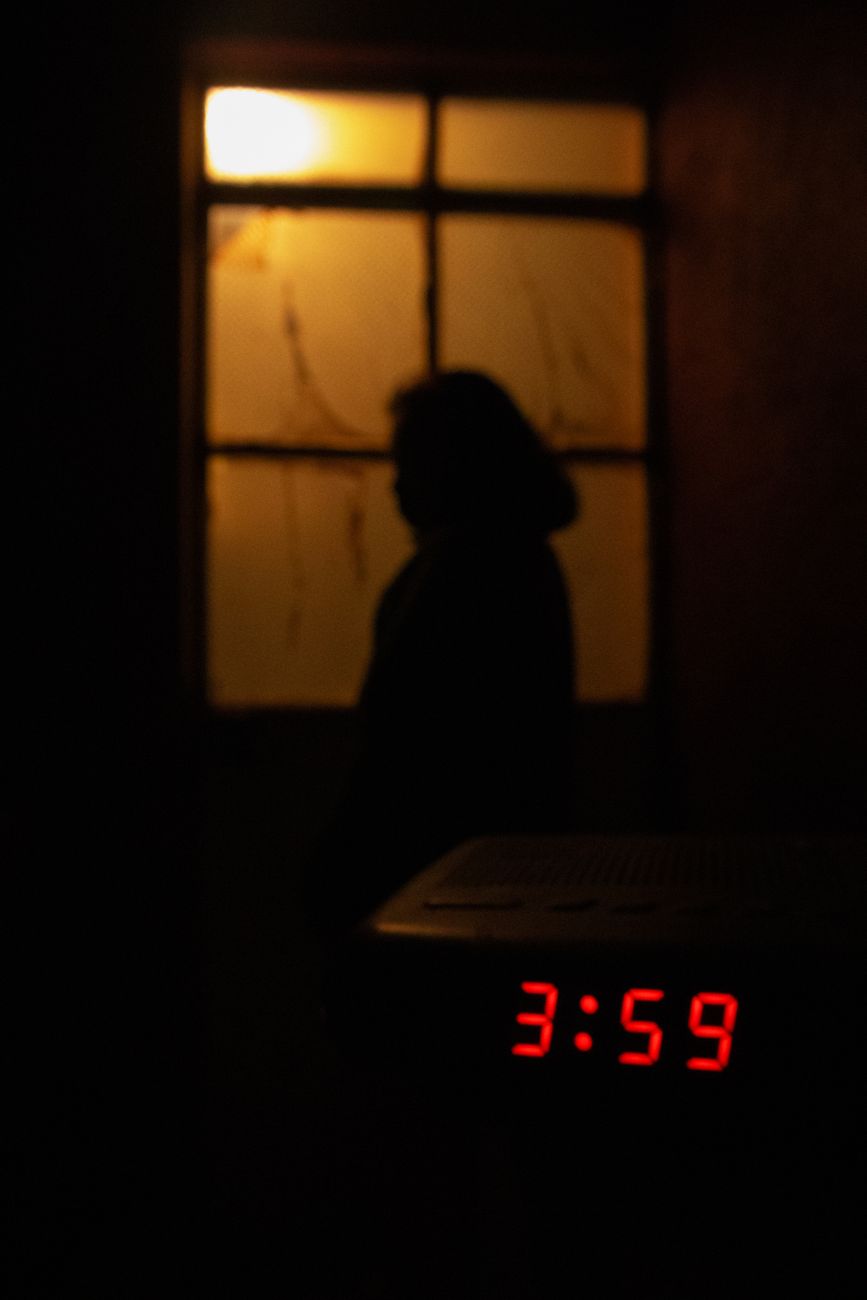
And this is exactly the stage where the 3 am thoughts tend to arrive.
It’s 3 am again, and the thought arrives like it always does.
“Did I drop the ball?”
“Did I miss it?”
“Could I have caught this sooner?”
Your mind runs the whole story again, every choice, every moment, looking for the one where you could have done it differently.
Here’s what I wish someone had told me back then:
“You parented with the information you had.”
“The professionals around you got it wrong too.”
“The guilt you’re carrying was never yours to hold alone.”
“The 3 am thoughts aren’t truth; they’re just what a tired nervous system does in the dark.”
“You are allowed to put them down, even if just until morning.”
If you know exactly what I am describing, I want you to hear something before we go any further.
Nothing has gone wrong in you. This is what stabilising safety actually feels like from the inside, and almost nobody names it, because from the outside, this stage is supposed to look like relief.
Why the guilt gets loudest right when things get quieter during stabilising safety in autistic burnout recovery
Here is something I did not expect. I thought the guilt would ease once the crisis did. Instead, it got louder.
And here’s how it makes sense to me. In the crash, there is no room for reflection.
I was too busy surviving to interrogate every decision I made along the way.
But once the crash has passed, and there is a little more quiet in the house, that quiet leaves room for something else to move in. The replaying. The what ifs.
The 3 am audit of every choice, looking for the one moment you could have done it differently.
If you can see yourself here, this is not a character flaw, and it is not evidence you failed anyone.
Stephen Porges’ polyvagal theory, in particular Porges’ concept of neuroception, helps explain part of why this shows up at night.
Your nervous system’s threat detection system, what Porges calls neuroception, does not clock off simply because the day is over. Porges, S. W. (2004). Neuroception: A subconscious system for detecting threats and safety. Zero to Three, 24(5), 19–24

If your body spent months or years scanning for the next crisis, it does not immediately learn that it is safe to stop. Darkness removes the usual daytime distractions and cues of safety, so at 3 am, with less external information coming in, your nervous system often defaults to the oldest, most familiar job it knows.
Find the danger. Find what you missed. Find the thing you could have prevented.
The thoughts feel like insight. They arrive dressed as clarity, as if this time, in the dark, you will finally see the thing you missed. But they are not insight. They are a tired nervous system running its most well-worn pattern, because insight is not immunity.
You can know, intellectually, that you did the best you could with what you had, and your body can still run the audit anyway. Knowing does not override feeling. That gap is not your fault either.
The guilt was never yours to hold alone while stabilising safety in autistic burnout recovery
I know this sounds like something parents say to let themselves off the hook for past mistakes. I’m going to say it anyway, because even as a cliché, it happens to be true.
You parented with the information you had at the time.
It’s easy to look back at our younger selves and judge them for not knowing.
But here’s the thing. You, like most parents of a child in burnout, have learned an enormous amount since that first crash. You had to.
Your younger self simply didn’t have the information you’re carrying now, after months or years of reading, researching, and learning your child’s nervous system in forensic detail.
And here is the part that rarely gets said out loud. The professionals around you very likely got it wrong too, at least some of the time.
The teachers who suggested a firmer hand. The reports that used words like manipulative or attention-seeking. The well-meaning advice that told you to hold the line when your child’s nervous system was already flooding. You were not the only adult in the room working with incomplete information. You were simply the one who never got to clock off.
The guilt you are carrying was never yours to hold alone.
It was distributed guilt from an entire system that did not yet understand what your family was living through, and somehow it all landed on you, at 3 am, by yourself.
None of this erases responsibility. Repair still matters, and so does showing up for your child’s recovery in the best way you can.
But parenting is one of the only jobs we learn entirely on the job. The skills you need now were never going to arrive any other way than through getting it wrong sometimes and learning from what that taught you.
I wish there were a gentler way to grow them. I haven’t found one yet.
Why stabilising safety in autistic burnout recovery doesn’t feel safe yet
There is a phrase I keep coming back to in this stage of the work. Safety does not always look like progress.
From the outside, stabilising safety often looks like nothing is happening.
Your child might be in bed all day, on the same device, eating the same three foods, wanting the same low-demand day on repeat.
It can look, to people outside your family, like stagnation.
It is not stagnation. It is collapse before steadiness.
A nervous system, yours and your child’s, cannot leap from crisis straight into thriving. It has to pass through something quieter first, something that looks like very little, before it can build toward more. That quiet, repetitive, undemanding stretch is not the absence of healing. It is the ground healing is built on.
To help you make sense of this, I would like to share an example from our physical bodies.
Think about what happens after surgery. Nobody expects a body to leap from the operating table straight back into full activity. We expect rest, low-demand days, more sleep than usual, and we don’t call that laziness. We call it recovery.
A baby going through a growth spurt sleeps more, not less, and nobody worries that this means something has gone wrong.

Internal work asks the same of us, even though it’s far less visible.
Processing what your family has lived through, making room for emotions that had to be shelved during the crash, slowly regrowing connection that frayed under all that strain- this is genuine labour, and it draws on real capacity, the same way physical healing does.
We just don’t tend to extend it the same unquestioned rest.
This is also, not coincidentally, exactly the stage where the guilt tends to peak, because a quiet house gives your mind room to look backward instead of forward.
If you are in it right now, I want you to know this phase is not a sign that recovery has stalled. It is the terrain.
Gentle ways to meet the 3 am thoughts, without pushing yourself
When your nervous system is already working this hard, adding a whole new routine to your night is just another demand.
These are not a list of techniques to master. They are small ways to help your body feel a little less alone in the dark.
- Name it out loud, even quietly. “This is my nervous system in protection mode, not the truth arriving.” Naming the pattern takes some of its power away, because you are no longer inside the story; you are watching it.
- Remind your body it is allowed to stop, even before it believes you. “I am allowed to put this down until morning” does not need to feel true to be said. Permission is often the first repair, long before belief catches up.
- Keep one hand somewhere on your own body, your chest, your arm, anywhere. This is not a fix. It is a small signal to your nervous system that someone is here, even if that someone is only you.
- Let the thought be there without following it all the way down. You do not have to solve the 3 am audit or win the argument with it. You are allowed to simply notice it happened, and let the morning decide what, if anything, deserves your attention.
- Find one small signal of selfhood, rather than reaching for self-care. Something interruptible, that asks nothing of you and doesn’t need to work. Standing in sunlight for thirty seconds. A hand on your chest for one breath. One song. One stretch through your shoulders. These are not habits to build. They are small reminders to your own body that you still exist underneath all of this.
None of this will switch the thoughts off. That is not the goal. The goal is a nervous system that, over time, learns it is allowed to soften even while the thought is still present.
You are not failing at this stage. You are in it.
If you are somewhere in stabilising safety right now- quieter days, a still braced body, guilt that gets loud right when things should feel easier- please hear this. Nothing has gone wrong in you.
Your nervous system is doing exactly what it learned to do to keep your family safe. It has not caught up yet with the fact that the crash has passed, and that is not a flaw. That is simply where you are on the spiral, not behind on some line that does not exist.
You came here for your child. You are also allowed to still be here, at 3 am, needing somewhere to put this down.
If this is landing somewhere real for you, there is a space built exactly for this part. Not the part where you are in crisis, and not the part where everything is resolved. The part in between, where the guilt gets loud, and the safety has not fully landed yet. You do not need to be ready, and you do not need to have the 3 am thoughts sorted out first.
You just need somewhere you do not have to hold them alone.
If you could do with a bit more support, the door to From Burnout to Balance is here.
Stabilising safety is real, and it can be one of the most disorienting parts of this whole journey, precisely because it’s supposed to look like relief.
But it isn’t the whole story. It’s the second movement in something longer, something that does shift over time, even when your body hasn’t quite believed it yet.
More soon.
Tanya x
References
Porges, S. W. (2011). The Polyvagal Theory: Neurophysiological Foundations of Emotions, Attachment, Communication, and Self-Regulation. Norton.
Porges, S. W. (2025). Polyvagal theory, current status, clinical applications, and future directions. Clinical Neuropsychiatry, 22(3), 169 to 184.
Weller, F. (2015). The Wild Edge of Sorrow: Rituals of Renewal and the Sacred Work of Grief. North Atlantic Books.
Desimpelaere, E. N., Verreu, D., Ortibus, E., Soenens, B., Prinzie, P., & De Pauw, S. S. W. (2025). From caring to collapsing: a qualitative exploration of parental burnout in mothers of children on the autism spectrum. Exceptional Children.
Read Part Two in the series: Acute Burnout In Autistic Children: Understanding The Crash
Next in this series: Growing Edges, and why recovery glimmers seem to come at a really high price.
About The Author
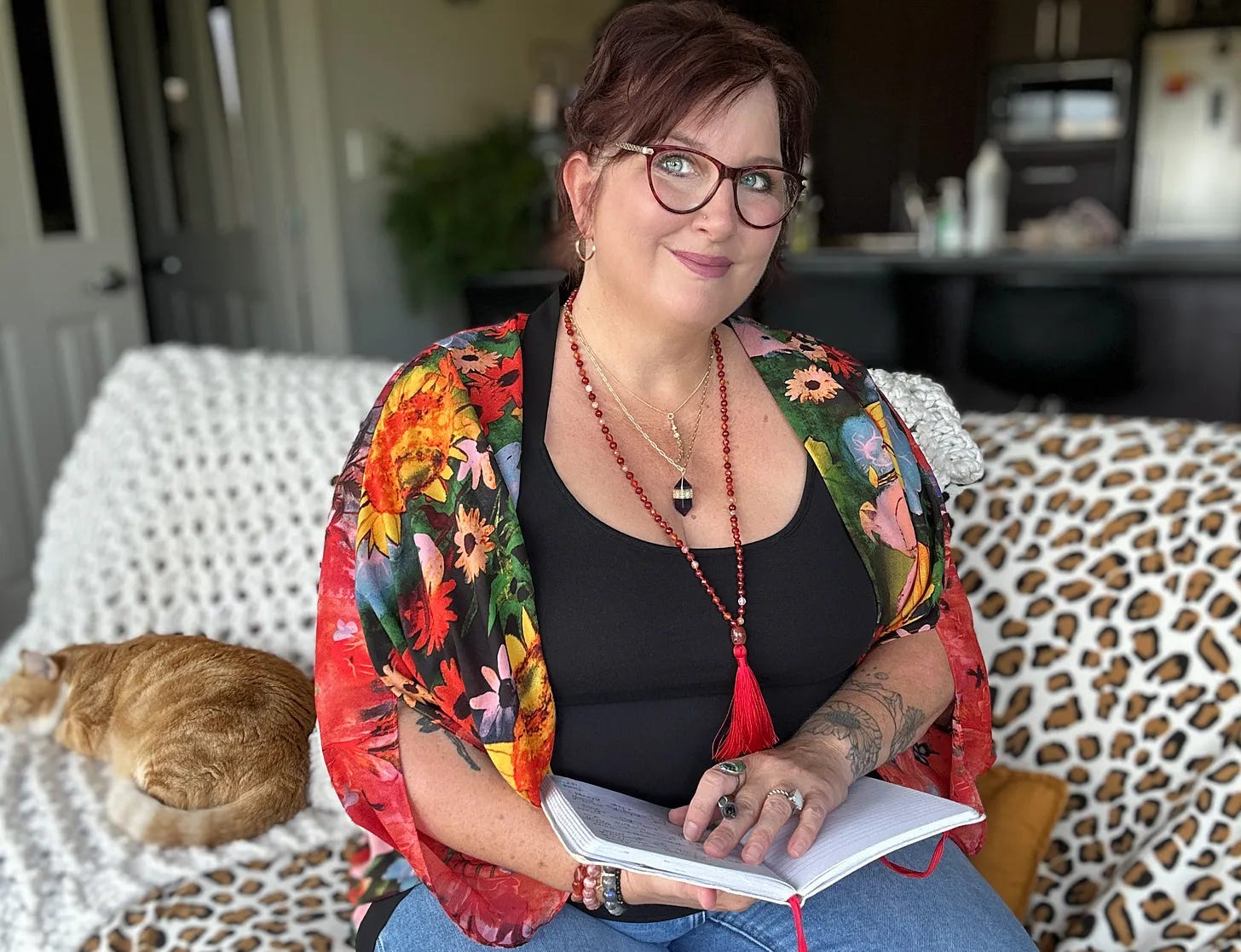
Tanya Valentin is a neuro-affirming family coach, AuDHD parent, author, and podcaster based in Aotearoa, New Zealand. She supports parents of Autistic, ADHD, and PDA children through the long middle of burnout recovery.
Drawing on lived experience and trauma-informed practice, her work explores grief, identity, nervous system recovery, and the quiet return to self-trust.
She is the founder of From Burnout to Balance, a membership community for parents navigating neurodivergent family life, and the author of Tiny Anchors: Small Moments of Care for Parents in Burnout.

1 Comment on Stabilising Safety: Why Autistic Burnout Recovery Doesn’t Always Look Like Progress