How Self-Help Culture Can Harm Neurodivergent Parents and Cause Burnout
There was a moment early in my career that fundamentally changed the direction of my life.
At the time, I didn’t have language for it. I only knew that something had cracked open, and something else had quietly fractured.
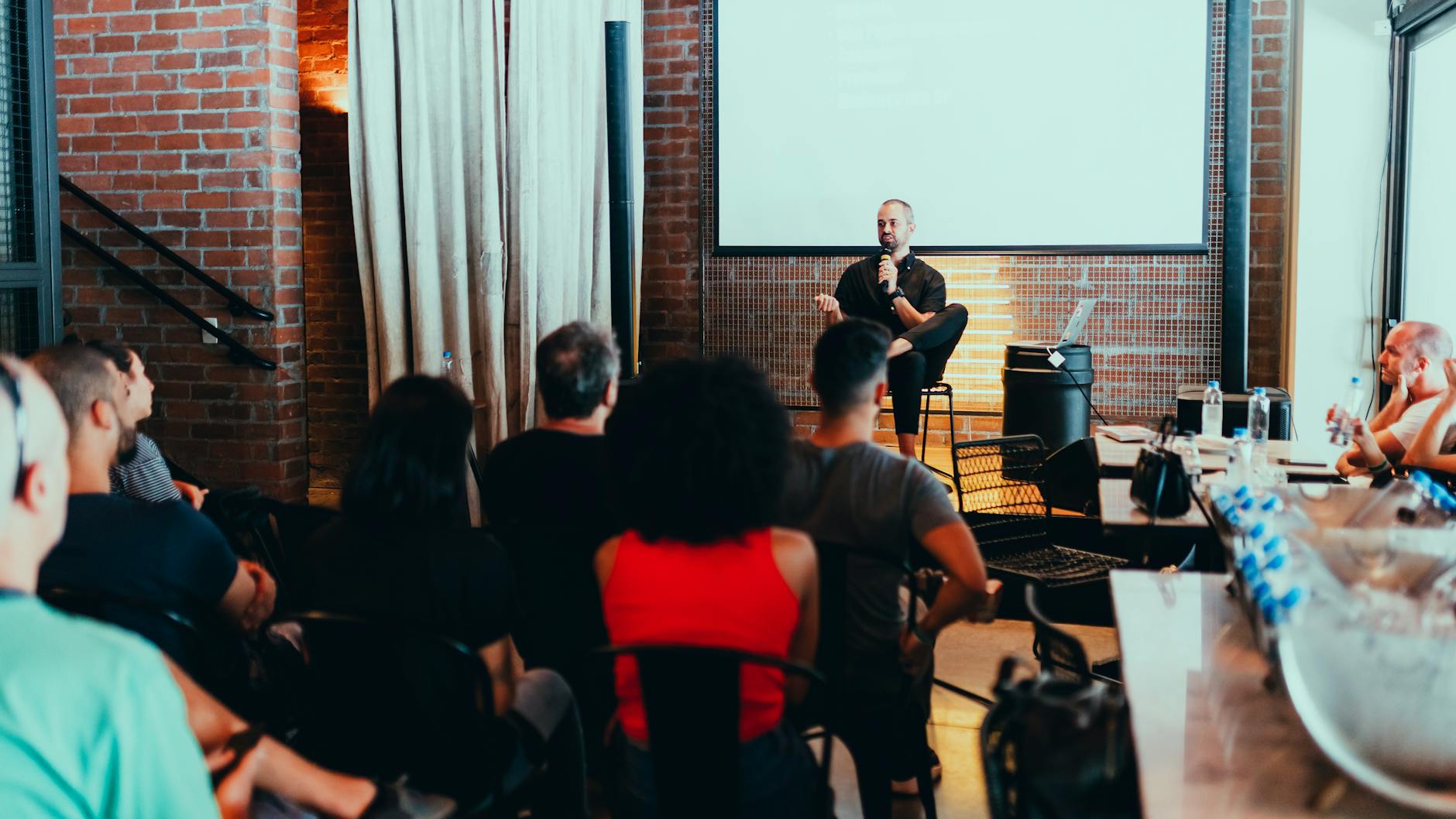
I was a centre manager in early childhood education, and my employer booked our entire leadership team into a three-day immersive personal growth experience.
Long days. Early starts. Late nights. High intensity. Emotional exposure. Very little rest.
It was framed as self-help.
As leadership.
As transformation.
We were encouraged to question everything we believed about ourselves. To push past our limits. To dismantle our “stories.” To see discomfort as evidence that the work was working.
On the final day, we were encouraged — strongly — to publicly disclose our deepest, darkest secrets in front of the group. Including our employers.
I remember feeling a deep, unmistakable sense of unsafety in my body.
When I questioned this, I was told, gently, but clearly, that I was encountering a limiting belief. That this was resistance. After all, growth lived on the other side of fear.
And here is the complicated truth:
That experience changed my life for the better.
It catalysed enormous positive change. It cracked open my sense of agency. It started my personal growth journey. It helped me make decisions that ultimately led me toward work that matters deeply to me.
And it also left my nervous system profoundly unsafe.
Both of those things are true.
When Growth Comes Without Consent
For a long time, I struggled to hold this paradox. In fact, it has taken me nearly a decade to fully process this experience.
If something helped me, didn’t that mean it was good?
If it led to growth, didn’t that justify the means?
This is the story many of us are told, explicitly or implicitly, in self-help culture:
If it works, it was worth it.
If you grew, your discomfort was necessary.
If you feel unsafe, that’s just fear talking.
For years, I believed that growth and trauma were synonymous.
But here’s the truth: bodies don’t organise themselves around outcomes.
They organise around safety and consent.
What I didn’t understand then, and understand deeply now, is that growth can happen in conditions that also cause harm. Insight can occur alongside self-override. Transformation can be accompanied by nervous system injury.
That doesn’t make the growth fake.
It means the cost was never acknowledged.
I learned how to change my life, and I also learned how to override myself in the name of becoming “better.”
That lesson stayed with me far longer than I realised, loudly bellowing into my subconscious, overshadowing the quiet knowing of my soul that I was already whole.
The Message That Gets Internalised
Experiences like this teach a very specific, very dangerous lesson:
If you feel unsafe, the problem is inside you.
They train us to mistrust our signals. To push past our limits. To perform courage. To collapse consent and growth into the same thing.

For neurodivergent people, and I didn’t yet know I was neurodivergent, this message lands even harder.
Many neurodivergent parents experience burnout not because they aren’t trying hard enough but because we live in a world that systematically teaches us across our lifespan to distrust ourselves.
Many of us already live in bodies that register the world more intensely. We are already told, again and again, that we are too sensitive. Too much. Too resistant. Too slow.
So when self-help culture says, “Push through this is where the magic happens,” we listen.
And we keep pushing.
How This Shows up as Neurodivergent Parent Burnout
Years later, when parents come to me utterly exhausted, supporting children in burnout, I see this pattern everywhere.
Burnout in neurodivergent parents is often the result of years of self-override. Parents who are reflective, devoted, growth-oriented, the very people who are “doing the work”, are often the most burned out.
They’ve been taught that rest is something you earn.
That collapse is failure.
That discomfort must be overridden.
That growth requires pressure.
So they push themselves long past capacity — carrying the echoes of a childhood that taught them they were somehow broken and in need of “fixing,” alongside a neurotype that tends toward deep focus, which can quietly intensify the cognitive and emotional load they are already holding.
And when their child enters burnout, withdrawing, shutting down, unable to meet demands, panic sets in.

Because everything they’ve been taught about growth says:
You can’t stay here.
You can’t stop.
You have to push through.
The child’s nervous system is saying, “I can’t.”
The parents’ conditioning whispers, “But you must.”
Neither is wrong.
But the system they’re trapped inside is.
What I Do Differently Now
That early experience, the one that helped me and harmed me, is part of why I work the way I do today.
I no longer believe that growth requires intensity.
I no longer believe that discomfort automatically means progress.
I no longer believe that fear should be overridden.
I no longer believe that healing happens through pressure.
I believe this instead:
Growth happens at the edge of safety, not beyond it.
Consent matters, not just cognitively, but somatically.
Pacing matters.
Choice matters.
Listening to unsafety is not avoidance; it is intelligence. When honoured, that intelligence softens into an inner knowing and a quiet confidence that begins to shape how we live, love, and lead — a form of growth that rarely gets named, but matters deeply.
In my work with families, this means:
- No forced disclosure
- No pressure to “go there”
- No reframing collapse as resistance
- No rushing grief into meaning
- No treating the nervous system as an obstacle
Supporting neurodivergent parent burnout requires safety, not pressure – parents don’t need to be pushed.
They need to be believed.
And when parents learn to trust their own signals again, when they stop abandoning themselves in the name of growth, something extraordinary happens.
They begin to trust their children’s signals too.
The Quiet Revolution
This way of working isn’t loud.
It doesn’t promise breakthroughs.
It doesn’t offer five-step transformations.
It doesn’t demand vulnerability as proof of commitment.
It offers something quieter and, I believe, more ethical:
A place where growth does not require self-betrayal.
Where safety comes first.
Where collapse is information.
Where staying is valued more than striving.
The irony is this:
The moment I stopped forcing myself to grow was the moment my capacity actually began to expand.
Not because I pushed harder, but because I finally stopped leaving myself behind.
And that is the work I now offer families.
Not pressure.
Not fixing.
But a different map, one that honours nervous systems, consent, and the slow, human work of becoming whole again.
A Gentle Invitation
If something in this reflection has stirred recognition rather than clarity, a quiet yes in the body rather than a plan in the mind, you are not alone.
Many neurodivergent parents experience burnout not because they are doing too little, but because they have been taught to grow by pushing past their own safety.
From Burnout to Balance is a soft space for parents who are navigating burnout, grief, and identity change, and who are no longer willing to grow by pushing past their own safety.
If this feels like a place your body would like to rest for a while, join us in From Burnout to Balance.
The Person Who Wrote This Blog
Hi I’m Tanya, I am a neuro-affirming family coach with 25 years in education as a teacher and leadership coach, including teaching human development to trainee teachers. I completed formal parent coaching training through the University of Melbourne’s Tuning Into Kids program, and my work is deeply informed by lived experience raising autistic/PDA children through burnout.
As a parent of three autistic teens, I know firsthand how isolating and exhausting this journey can be. If this spoke to something inside you, you’re not alone. You can find more reflections and gentle community-based support inside From Burnout to Balance.
I blend evidence-based training, developmental science, and lived wisdom into practical, compassionate coaching for parents.
Have you enjoyed reading this blog? Subscribe and receive fresh reflections, parenting resources and validation every time I push publish.