What Non-Conforming Expression has Taught Me about Neurodivergent Identity
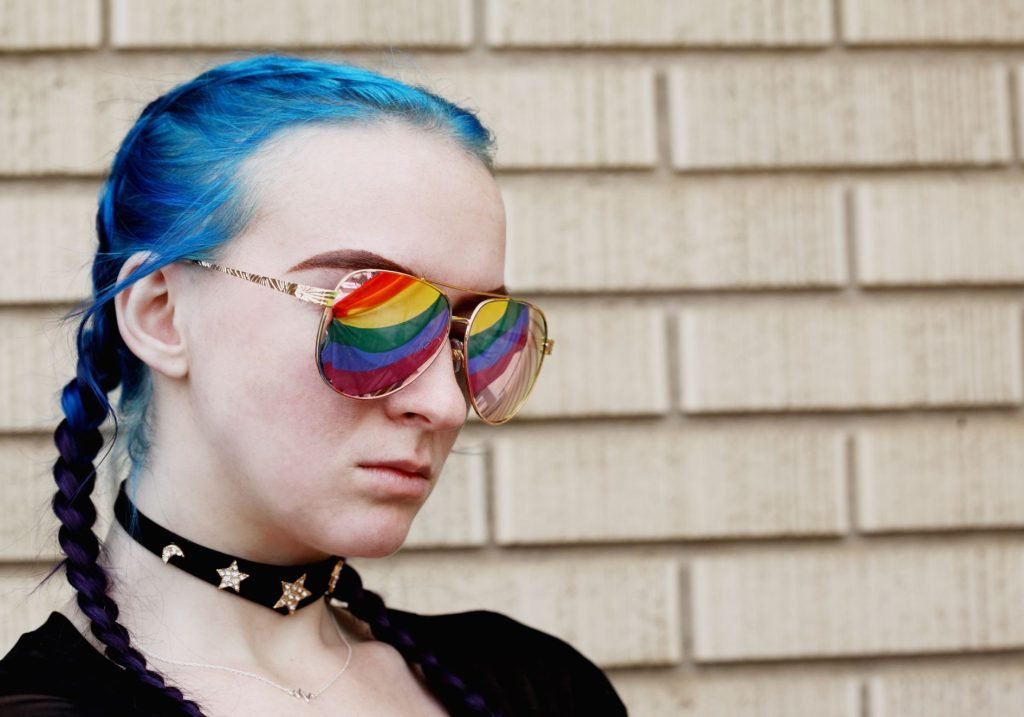
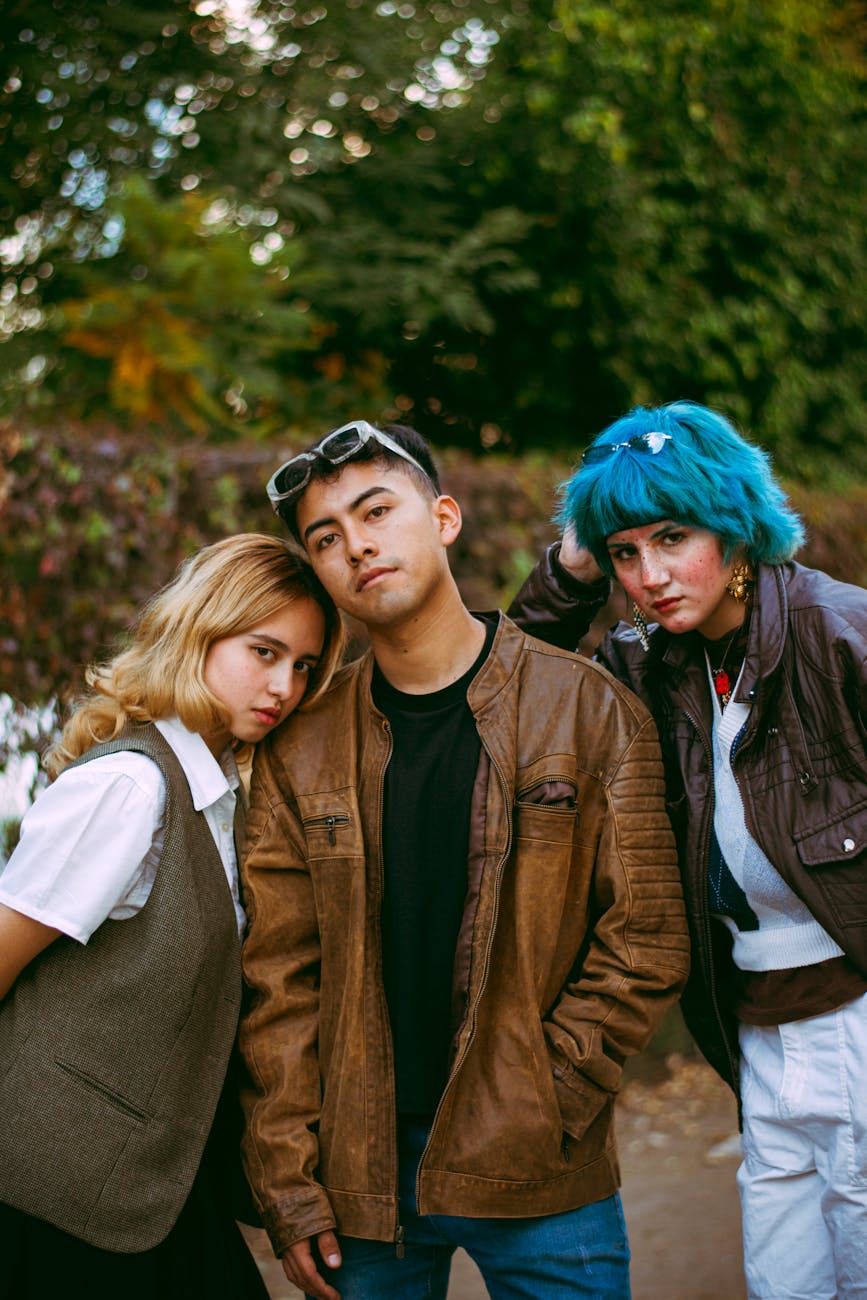
My autistic teenage daughter emerged from their room, bright blue hair tied into two pigtails, their face dotted with vividly coloured rainbow freckles.
I felt my body brace before my mind could catch up, the familiar urge rising to say something like, “You’re not going out like that, are you?”
I paused. I breathed. And I quietened that voice by remembering another (then undiagnosed) AuDHD teenage girl who stood before her own exasperated mother some twenty years earlier — dressed head to toe in gothic black, hair and makeup an earnest homage to her teen idol, Robert Smith from The Cure.
Over the years, the blue hair has remained, while the rainbow freckles have gradually given way to piercings and tattoos. I’ve noticed similar expressions of non-conformity emerging in my other children, too, expressions I’ve learned, over time, not just to tolerate, but to appreciate and deeply value.
What began as something I simply allowed has slowly become something I’ve felt curious about. I started to wonder what these visible expressions were doing for my children. What they offered, what they protected, and what they were communicating in a world that so often asks neurodivergent people to soften, shrink, or disappear.
What Is the Purpose of Non-Conforming Expression?
Choosing to express oneself in ways that sit outside the norm is as complex and multi-layered as neurodivergent identity itself.
For many neurodivergent people, non-conforming expression is deeply connected to creativity, an outward manifestation of a richly imaginative, associative mind, an off-beat way of seeing the world, and a genuine experience of joy.
For others, physical expression is entwined with special interests: fashion, make-up, music, favourite people, video-game lore, or beloved fantasy worlds. These expressions are not superficial; they are often immersive, meaningful, and identity-affirming.
For many, these visible choices also serve a nervous system function. Colour, texture, repetition, ritual, or intensity can offer grounding, regulation, and a felt sense of safety in the body, particularly in a world that often feels unpredictable, demanding, or overwhelming.
Tattoos can be deeply symbolic, can be an outward expression of the story of your life as it is unfolding, an anchor to steady you in moments of struggle.
Piercings can offer predictable sensory feedback and proprioceptive input.
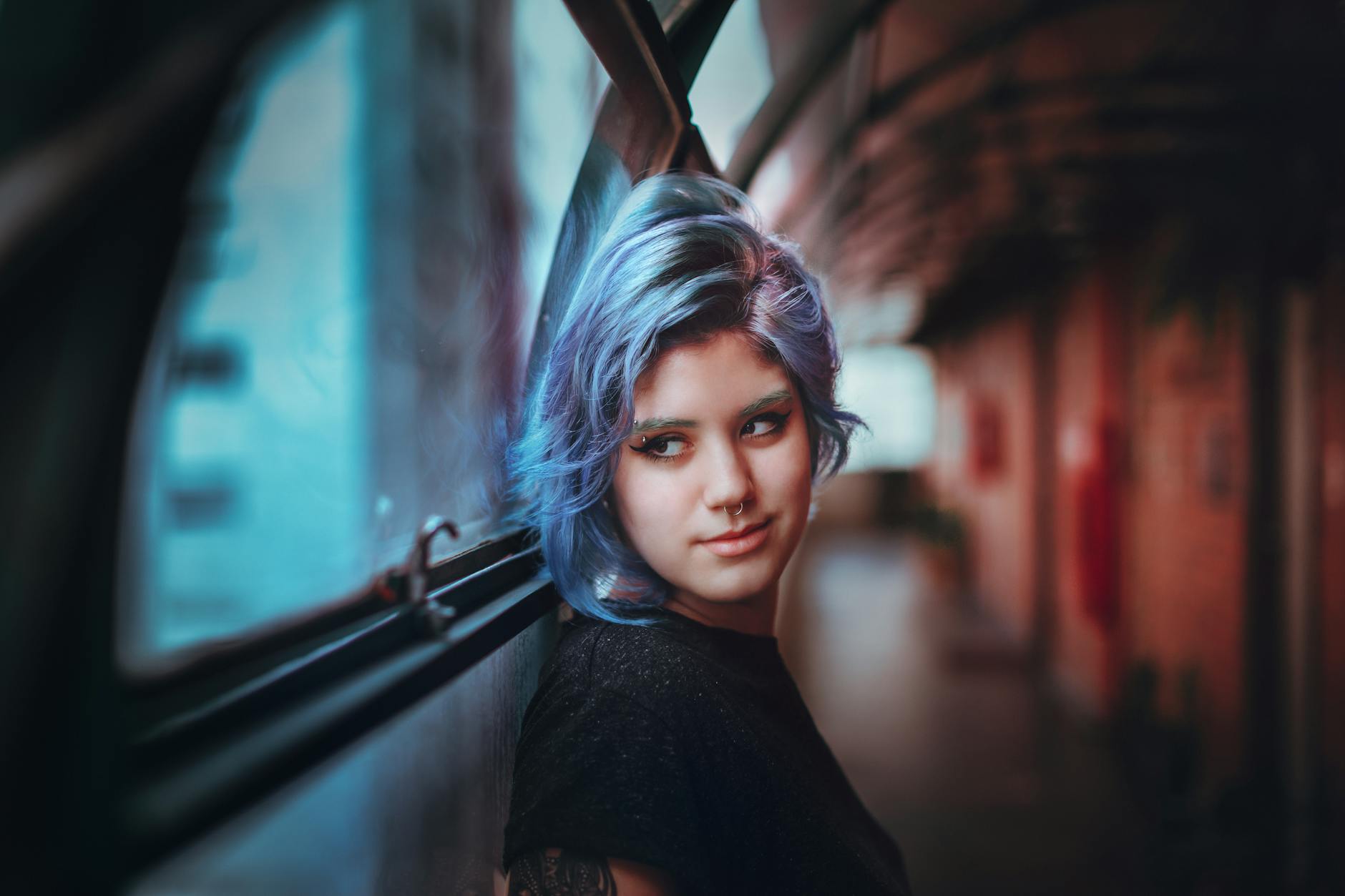
For some, non-conforming expression becomes a way of finding and forming community, a signal of shared language, values, or belonging. For others, it functions as dissent: a refusal to surrender autonomy or sovereignty to externally imposed expectations, norms, or rules.
And for some, it is protective, a way of creating psychological distance, reclaiming authorship of the body, or signalling boundaries in a world that frequently misunderstands, polices, or seeks to control neurodivergent people.
For some neurodivergent people, particularly those living with chronic masking, burnout, or PDA profiles, non-conformity can become a vital protective strategy.
When a nervous system has been pushed beyond capacity, when autonomy has been repeatedly overridden or eroded, the body often finds ways to reclaim authorship.
Visible difference can create distance from expectations that feel coercive or unsafe; it can interrupt demands before they land; it can act as a boundary where words have failed. In this way, non-conforming expression is not an attempt to provoke or resist for its own sake, but a nervous-system-led refusal to collapse further.
It says: this far and no further. It protects what little energy remains, preserves a sense of self, and allows survival in environments that have not yet learned how to meet neurodivergent people with consent, safety, and respect.
What Non-Conforming Expression Protects
Many neurodivergent children, teens, and adults move through a world that tells us, both implicitly and explicitly, that we are different, and that difference comes with a cost.
A common survival strategy is to try to fit in. To adapt. To become more acceptable. But for many of us, the mask grows heavy, and maintaining it over time comes with serious consequences.
I think back to my own childhood. Raised in a strict religious household, I learned early that following the rules and pleasing others was how I stayed safe. As an undiagnosed AuDHDer, I felt out of place long before I had language for why. I assumed this sense of difference was rooted in my religious upbringing, and perhaps some of it was, but my body knew there was more to it than that.
So I did the only thing I knew how to do when my nervous system felt unsafe, and my belonging felt threatened: I tried harder. I bent more. I masked. I performed goodness. I strived for excellence.
What no one told me was that there would come a point where I had bent so much that the only option left was to break.
And then came the goth girl.
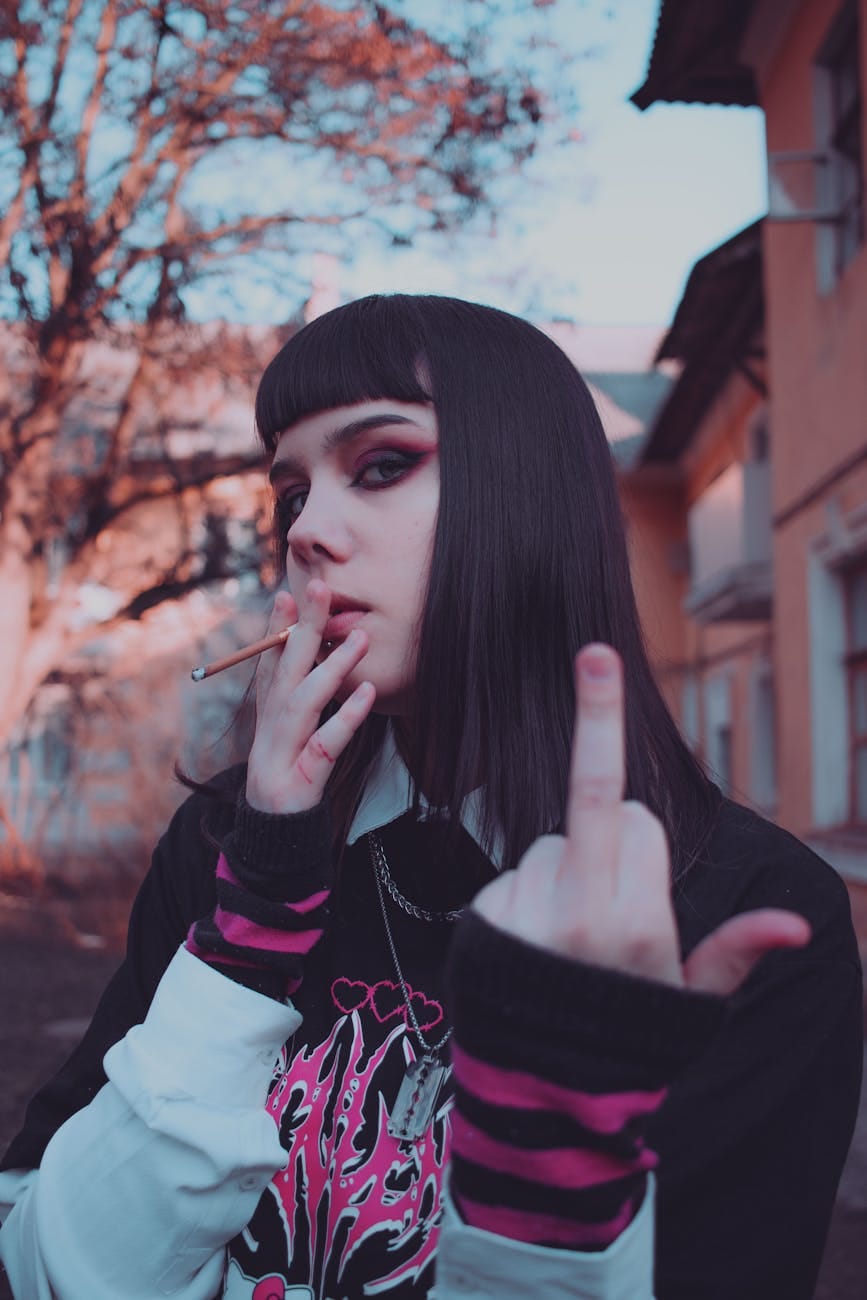
If I’m being honest, I loved burning my good girl image to the ground. I relished being dark, rebellious, and unsettling. I felt a quiet thrill when I worried my parents or watched teachers and peers look at me differently. This was a persona I had authored on my own terms, and for the first time, I felt free.
That period of visible non-conformity didn’t last. Punishment and shame eventually pushed her underground. But I have never lost her. I still carry that little goth girl in my heart.
Now she lives in my tattoos, my poetry, and my enduring love for alternative and indie rock.
What She Was Protecting Me From
My little goth girl arrived at a time when I felt deeply lost, when I had very little language to express my inner reality. She was strong, unflinching, and fiercely protective at a moment when I was already carrying the impact of years of hierarchy, moral injury, erasure, and quiet collapse.
Instead of weak, I could be strong.
Instead of pleasing others, I could break rules and hold boundaries.
Instead of being unsettled, I could unsettle others.
She drew me into a new community — others who had grown weary of masking in order to belong, and who had chosen something more authentic instead. Looking back now, many of them were unmistakably neurodivergent too.
My little goth girl protected the part of me that knew obedience was costing me myself.
Without realising it at the time, she was also preparing me for motherhood. Preparing me to parent children who, like me, would begin their lives quiet and compliant, and then go on to challenge every cultural, expressive, and gendered expectation I once assumed my parenting journey would hold.
How Non-Conformity Became My Teacher
It still feels like a cruel twist of fate that the children I believed I was mothering, the ones who appeared capable, compliant, and coping, were masking just as deeply, and struggling under that same weight I once carried.
I hold deeply regret that it took a crisis for me to fully understand what was unfolding in my children’s inner worlds.
I wish I had recognised it sooner. But once I saw it, I could not unsee it.
My body knew, before my mind could fully catch up, that the parenting scripts I had inherited could no longer hold.
What followed was not clarity, but disorientation. Everything I thought I knew about safety, success, and “good parenting” began to unravel. I was forced to confront the uncomfortable truth that what had once kept me regulated, structure, compliance, striving, was now overwhelming my children’s nervous systems and quietly eroding our connection.
This is where brave parenting began for me. Not as confidence or certainty, but as rupture. As the choice to sit with fear, grief, and unlearning rather than reach for control.
Brave parenting has meant choosing nervous system safety over appearances, relationship over respectability, and repair over righteousness, again and again.
And this is when my little goth girl stepped in to protect me again.
She protected me by giving me the courage to break rules, to inconvenience others, and to hold firm in my boundaries once more, this time not just for myself, but for my children.
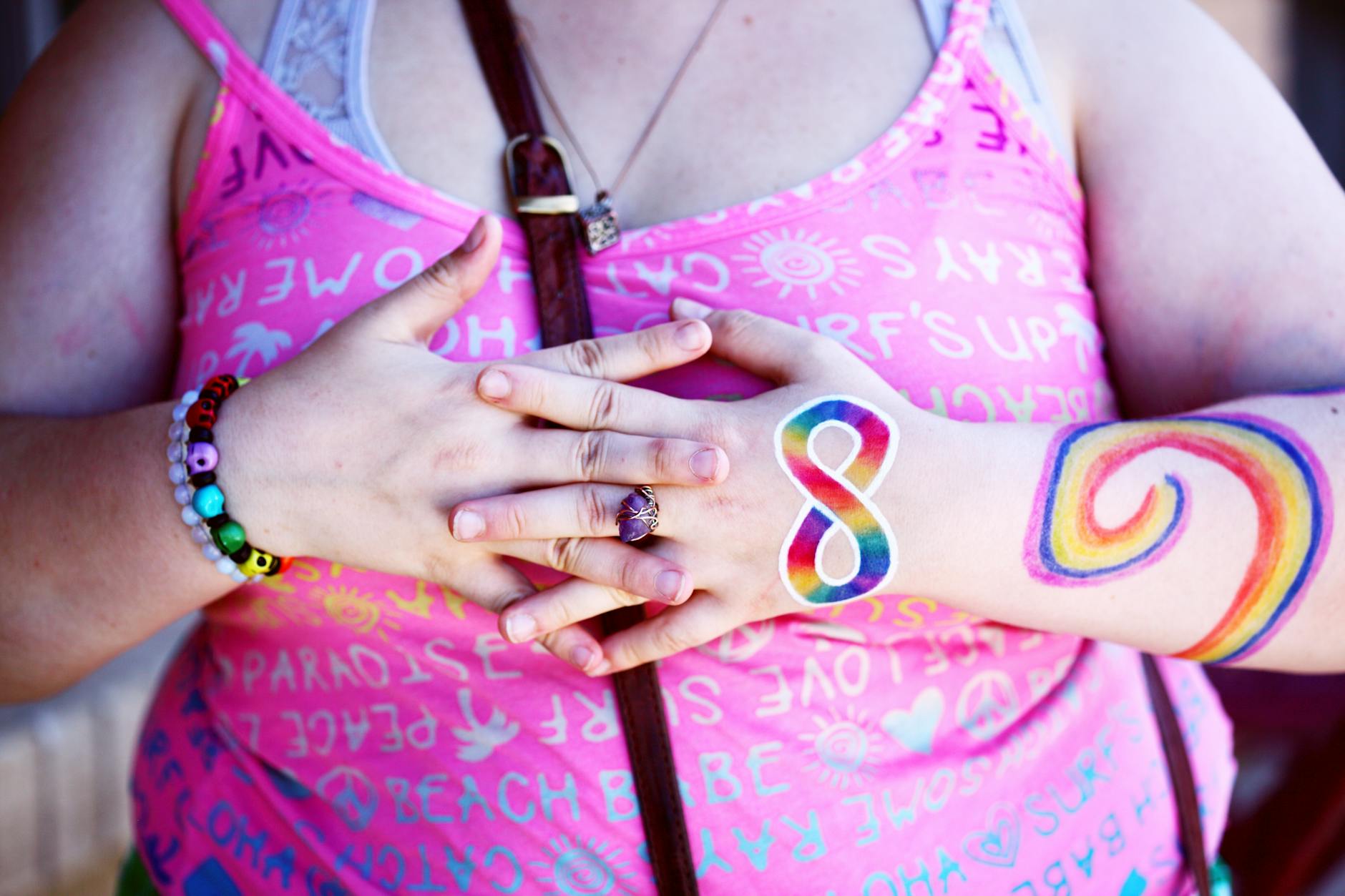
But she also reminded me, through her embodied wisdom, what it feels like to be young and living at the edge of collapse after years of trying to meet outward expectations. She helped me remember the cost of being palatable and what happens when a nervous system is pushed too far toward obedience.
She is the part of me who counselled me to make space as my children’s authentic expressions began to emerge. To resist the urge to fear them or shut them down, and instead to stay curious, to try to understand, and, where I could, to celebrate them.
One weirdo to another.
Choosing The Brave Parenting Path
Even now, this remains hard.
I still feel the pull to minimise, to smooth edges…
I often find it difficult to hold the tension between the urge to shape my children into forms that feel safer and more acceptable in a world that fears difference and the quiet knowing of the true cost of self-abandonment, which I carry in the other hand.
I still grieve the ease I once imagined parenting might bring.
Brave parenting, I’m learning, is not the absence of struggle; it is the ongoing practice of staying present, regulated, and relational when everything in you wants to retreat.
A Final Note To You
If you are parenting a child whose expression feels visible, inconvenient, or confronting in a world that fears difference, I want you to know that your fear makes sense.
Loving a child like this asks us to live in constant tension, between protection and permission, safety and selfhood.
You are not failing because this is hard.
Brave parenting is not about getting it right or feeling confident; it is about staying present, staying curious, and choosing relationship even when your nervous system is screaming for certainty. This is something we explore more deeply inside From Burnout to Balance, a parent community centred on nervous system safety and connection.
You don’t have to have all the answers.
You just have to keep coming back to your child, and to yourself, again and again.
The Person Who Wrote This Blog
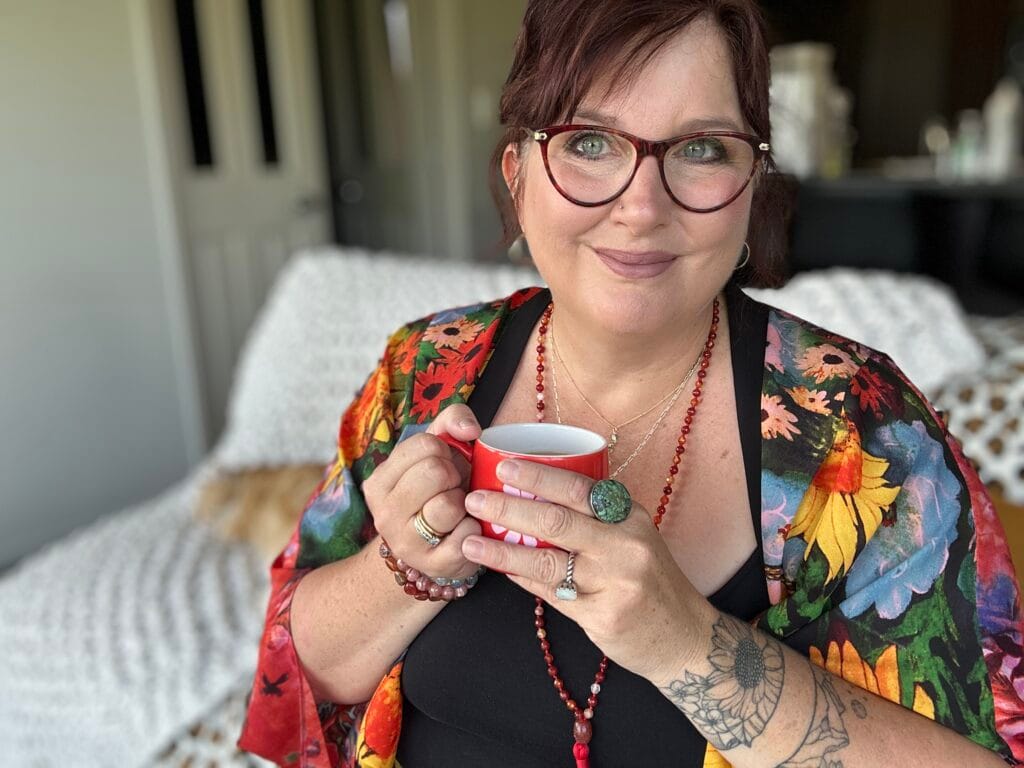
Tanya Valentin is a neuro-affirming family coach, writer, and community leader supporting parents of neurodivergent children through burnout recovery.
Drawing on lived experience, nervous-system-informed practice, and relational facilitation, her work explores grief, identity, and the quiet return to self-trust.
She is the founder of the supportive community who are parenting neurodivergent children and teens in burnout, From Burnout to Balance.
Have you enjoyed reading this blog? Subscribe and receive fresh reflections, parenting resources and validation every time I push publish.