A Parent’s Reflection
When I was a young child in Sunday school, I remember being in a lesson where the teacher read this passage to us:
“God formed man from the dust of the ground and breathed into his nostrils the breath of life; and he became a living soul.”
I’m not sure if you believe this creation story or not, but what stayed with me was this idea: that we are made of physical form (clay), filled with a divine spark, a deeper self.
To me, this was not the self we are sometimes taught to distrust, where free will is painted as something dangerous.
This is our knowing self.
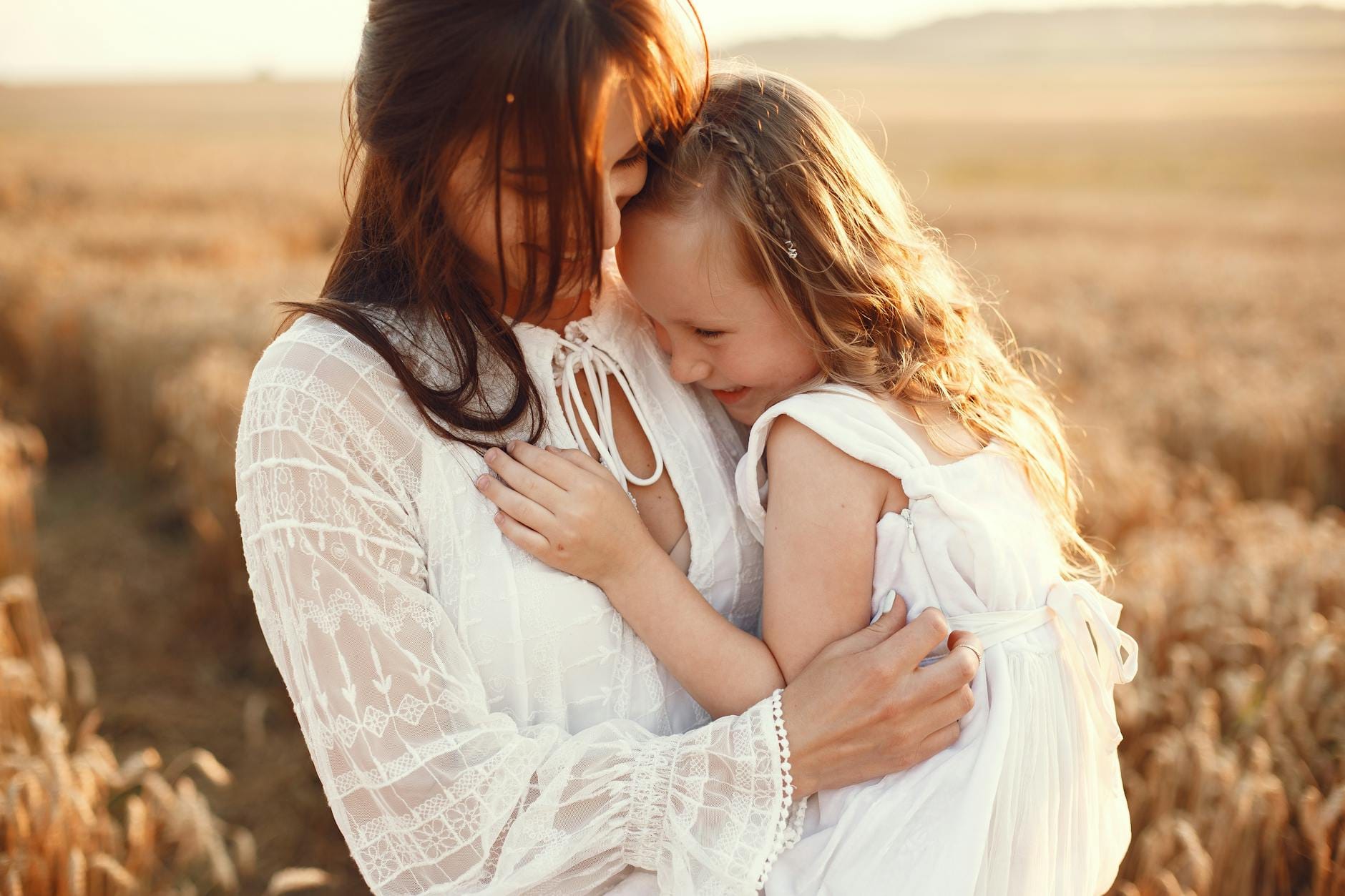
We all arrive in this world naked, innocent, and unashamed, connected to that spark. But as we grow older, we begin to notice our nakedness. We start adding clay around ourselves, because a life without clay is a vulnerable one.
We arrive connected to our spark, and then meet a world that asks us to cover it in clay. We carry the quiet ache of that separation for years, trying, often without knowing why, to find our way back to who we were before we learned to hide.
The more layers of clay we add, the more disconnected we become from that golden knowing self.
What are we creating with all that clay?
An avatar.
A socially acceptable version of ourselves that we can send out to play with the other avatars in the game, we call life. And like all good games, we don’t just have one character; we choose different personas for different situations.
Over my lifetime, I have played the roles of ‘good mother’, ‘dutiful daughter’, ‘doting wife’, ‘professional me’, and ‘happy me’. I have sat in my car before parties, before work events, palms sweaty and heart racing, or even before stepping back into my own home after a long day, and thought:
Okay… which one should I be now?
Which avatar will they like best?
As our children grow, we often help them create their avatars too, the versions of themselves we hope will keep them safe in a hard and confusing world, instead of teaching them how to stay connected to their inner knowing.
We do this because we have learned, in our own lives, that living without clay can feel lonely.
Exposed.
Outside the dream of belonging.
What I Didn’t Know About Neurodivergent Masking When I Wrote This Piece Six Years Ago…
I wrote this piece six years ago.
Back then, I didn’t know about masking.
But I could feel that something was missing.
We arrive connected to our spark, and then meet a world that quietly teaches us to hide it.
I wrote these words during a time when my daughter had been hospitalised, and our family was moving through what I would later understand as autistic burnout. I called the piece Ready Player One.
At the time, I had no idea that my children or I were neurodivergent.
I had no language for masking.
But I had lived experience of it.
I knew what it felt like to create, cultivate, and inhabit the versions of myself that felt safest in different environments and relationships.
Writing became my solace during that time, my way of making sense of a world that felt like it was unravelling.
As I sat down to write, a heaviness came over me when I realised that I didn’t know who I was without the avatar. And that, without meaning to, I had helped my children build their own.
The cost of that realisation felt unbearable.
What I didn’t know then was that I was already on a path toward understanding my children’s neurodivergence, and my own, in a deeper, more compassionate way.
What I Learned About Neurodivergent Masking
Much like the layering of clay in my metaphor, masking happens in layers. It is complex, woven quietly into the fabric of who we are. Most of us begin long before we’re aware of it, at an age when we’re far too young for it to be a conscious choice. Our beautiful nervous systems are always searching for the safest way to move through the world, so we adapt and shape ourselves in an act of protection.
And yet, one of the quiet costs of neurodivergent masking is that it can pull us away from our authentic selves. It can orient our lives around seeking safety through approval instead of trusting that who we are is already whole, worthy, and enough. When the nervous system can’t keep holding those layers anymore, burnout is often what follows.
Looking back now, I hold the mother who wrote this with tenderness.
She was trying to protect her children.
She was trying to belong.
She was doing the best she could with what she knew.
Protecting Our Children’s Spark
Rehumanising parenting is, in many ways, helping our children find their way back to themselves. Because we arrive connected to our spark, our work is not to remake our children, but to protect that light.
This is why I hold close the whakataukī (Maori proverb) that guides my work:
“Akiaki te tī o te tangata” — nurture the indescribable light in a person.
To me, this means creating homes where our children don’t have to perform to belong, where their nervous systems feel safe enough to rest, and where their inner knowing is treated as something sacred.
Today, as I walk beside parents inside From Burnout to Balance, I carry this wisdom and deep compassion for the mother who wrote this and all the other mothers in our community, navigating their own path.
And I see evidence of this, again and again: when we create nervous-system safety in our families, our children don’t need their avatars quite so much.
They begin, slowly, to come home to themselves.
The Person Who Wrote This Blog
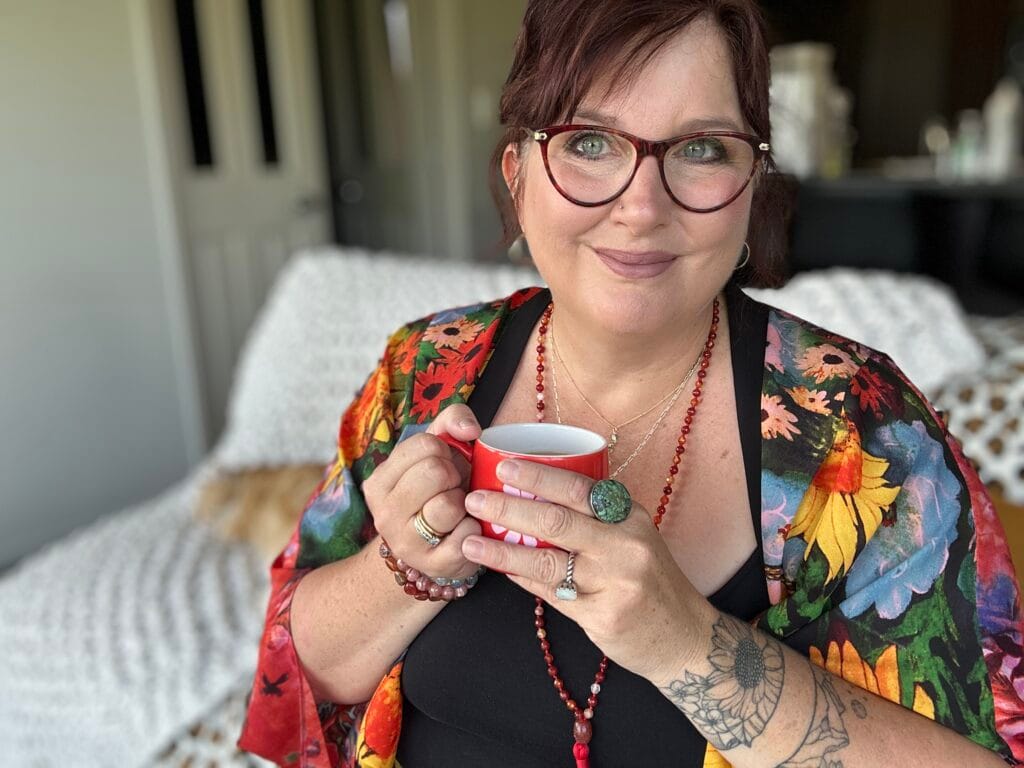
Tanya Valentin is a neuro-affirming family coach, writer, and community leader supporting parents of neurodivergent children through burnout recovery.
Drawing on lived experience, nervous-system-informed practice, and relational facilitation, her work explores grief, identity, and the quiet return to self-trust.
She is the founder of the supportive community who are parenting neurodivergent children and teens in burnout, From Burnout to Balance.
Have you enjoyed reading this blog? Subscribe and receive fresh reflections, parenting resources and validation every time I push publish.