Parenting a Neurodivergent Child, Relational Safety, Autistic Burnout Recovery, and the Parts No One Talks About
There is a phrase that comes up often in conversations about relational safety and autistic burnout recovery:
“Children need relational safety to heal from autistic burnout.”
And I deeply believe this is true.
I have seen over and over again how burnout starts to ease for neurodivergent children and teens when there is less pressure, and they begin to feel emotionally safe.
When they no longer feel constantly judged, corrected, pushed, dismissed, shamed, or misunderstood.
When they are met on their own terms and allowed to exist without endlessly masking in order to maintain connection and belonging.
Burnout recovery does not happen in isolation. It happens in the context of a relationship with an attuned caregiver, so relational safety matters.
But I also think we need to talk more honestly about the complexity of this from a parent perspective. Because the truth is that many parents are trying to create relational safety while their own nervous systems are carrying enormous amounts of stress, grief, fear, trauma, exhaustion, and isolation.
And I have noticed that sometimes the way relational safety is spoken about online can unintentionally leave parents feeling as though they must become endlessly calm, endlessly regulated, endlessly available humans in order for their child to heal. As though if they struggle, react, shut down, become overwhelmed, or emotionally reach capacity, they are somehow harming their child or failing to provide the right conditions for burnout recovery.
I do not think this is helpful.
And I do not think it reflects the reality that many families are living in.
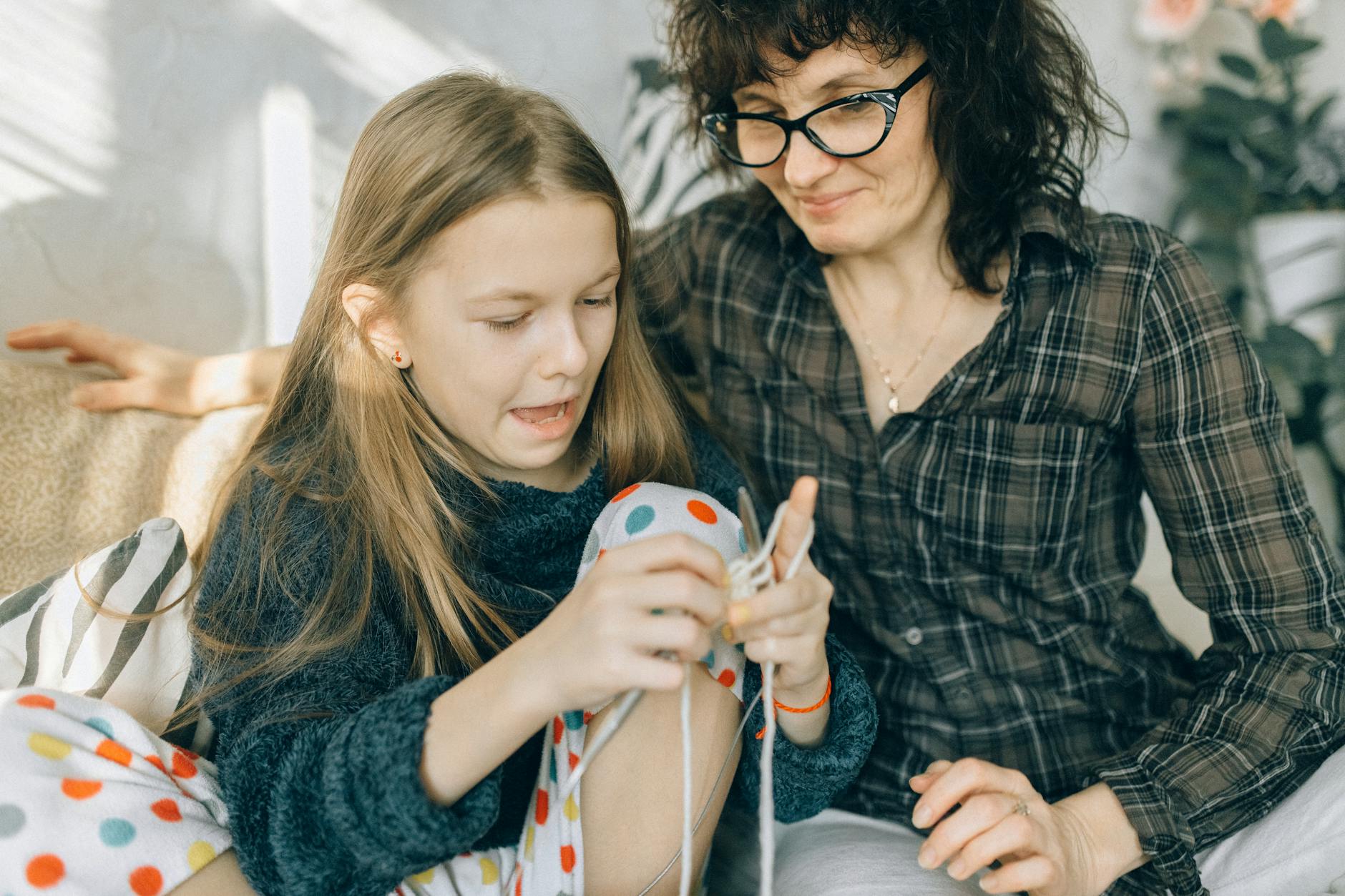
What do I mean by Relational Safety in Autistic Burnout Recovery?
Relational safety is the felt sense that a relationship remains emotionally and psychologically safe enough for authenticity, repair, nervous system settling, and connection.
It is the experience of knowing: “I do not have to hide who I am to stay loved here.”
For many neurodivergent children, especially those who have masked heavily to maintain a sense of safety in the world around them, or who have experienced chronic overwhelm and prolonged stress, this matters deeply.
Many children in burnout have spent years overriding their own nervous systems in order to survive environments that asked them to tolerate too much.
This may have been too much sensory overwhelm, performance pressure, social confusion, invalidation, or chronic stress without enough recovery.
And often, over time, children begin disconnecting from themselves in order to maintain connection with others.
This is one of the reasons burnout recovery can involve so much sensitivity around demands, expectations, masking, autonomy, and emotional safety. Because the nervous system is no longer willing, or able, to sustain survival at that level anymore.
But What About the Parent Nervous System during Autistic Burnout Recovery?
This is the part I think we need to speak about more carefully.
Parents are not robots here to simply perform co-regulation and relational safety for others. They are humans with sensitive nervous systems, too. And parenting a child through burnout recovery can place enormous strain on a parent’s emotional and physiological capacity.
Many parents live in chronic hypervigilance for years, constantly feeling as though they are being judged or living under threat.
Listening for signs of escalation.
Monitoring moods.
Managing meltdowns.
Holding school battles.
Supporting siblings.
Navigating financial stress.
Advocating with professionals.
Sleeping lightly.
Absorbing distress.
Trying to prevent rupture before it happens.
And for many parents, there is very little support holding them while they hold everyone else.
Especially solo parents, parents carrying trauma themselves, and parents navigating poverty, their own or their child’s disability, relationship breakdown, isolation, or systems that increase pressure rather than reduce it.
And because relational safety is difficult to sustain when you are not receiving relational safety too, it can begin to feel one-sided, like a chair with a missing leg.

Effects of One-Sided Relational Safety on Parents of Neurodivergent Children in Autistic Burnout Recovery
Sometimes, after prolonged stress, a parent’s nervous system begins responding protectively, too.
Dr Alberto Veloso, Melbourne-based specialist Family and Child Psychiatrist and General Paediatrician, speaks about how chronic parenting stress can affect different parent systems, including approach systems, reward systems, emotional meaning-making, and threat detection.
This is not a strict theory or diagnostic framework, but I think it offers a compassionate lens for understanding experiences that many parents quietly carry shame about.
Sometimes, after repeated meltdowns, conflict, or chronic stress, parents may notice themselves wanting to withdraw.
They may dread interactions, feel emotionally numb or be constantly on edge. Parents may struggle to access warmth, empathy or patience. Brace when hearing footsteps and feel their body tense before their child even speaks.
Not because they do not love their child, but because their nervous system has shifted into survival too.
And this is where so much guilt and shame can emerge, because parents are often told:
“Your child needs co-regulation.”
“Your child needs safety.”
“Your child needs calm.”
But very few people ask: Who is co-regulating the parent?
You can Understand Dysregulation and Still Feel Impacted by it
One of the hardest and least talked about parts of supporting a child through burnout recovery is this:
You can deeply understand why your child is reacting the way they are…
and still feel impacted by it.
You can know their nervous system is overwhelmed, that the meltdown is not manipulation. Know that the criticism, anger, shutdown, blame, rigidity, or emotional intensity is coming from distress rather than malice.
And still have a body that feels exhausted, defensive, hypervigilant, rejected, or afraid of getting it wrong again.
I think sometimes parents absorb the message that if they truly understood neurodivergence, trauma, masking, PDA, or burnout deeply enough, they would somehow stop being affected by the experience of living inside chronic stress.

But understanding behaviour does not automatically stop your nervous system from responding to it.
Insight is not immunity.
You can compassionately understand why your child is dysregulated and still find it incredibly hard to be on the receiving end of that dysregulation day after day, especially when you are already depleted yourself.
Particularly when you are holding everyone together, managing constant unpredictability, walking on eggshells, receiving the overflow of another person’s distress, and trying to stay emotionally regulated while your own nervous system is running on empty.
This does not mean your child is bad, and it does not mean you are failing at relational safety.
It means that you are human, and this is deeply human work.
Relational Safety was Never Meant to be Carried Alone during Autistic Burnout Recovery
I think one of the biggest gaps in burnout conversations is that relational safety is often spoken about as though it exists only between parent and child.
But families exist inside ecosystems.
Support matters. Community matters. Financial stability matters. Sleep matters. Housing matters. Disability support matters. Safe relationships matter. Parent nervous system care matters.
Humans are not designed to endlessly pour safety into another human while receiving none themselves.
And I think many parents are not failing relational safety at all. I think they are trying to create safety while profoundly under-supported.
Relational Safety Is Not Perfection
I often encounter parents who have been so traumatised by their child’s burnout that they make it their goal to become perfectly calm and endlessly regulated parents. Many become terrified that if they are dysregulated, overwhelmed, emotionally exhausted, or reach capacity, they are somehow damaging their child.
And I think this can become another form of ableism, another impossible standard we set for ourselves in pursuit of the impossible pinnacle we call “good parenting.”
But relational safety does not require perfection.
In fact, healthy relationships are not built through perfect attunement.
They are built through rupture and repair.
Through honesty, responsiveness, and accountability.
Through trying again.
Through adapting when something is not working.
Through making space for both people’s humanity.
Children do not need perfect parents.
They need relationships where they can increasingly experience safety, repair, authenticity, flexibility, and trust.
And parents deserve those things too.

A More Compassionate Conversation
We need a more compassionate and realistic conversation about relational safety. One that recognises the importance of safety in burnout recovery, the reality of nervous system overwhelm for parents, and the systemic pressures many families are living under.
One that makes space for the grief and complexity involved, the importance of repair over perfection, and the need for parents to receive support, not just endlessly provide it.
And I by no means have all the answers for how to fix this, because this is part of a much bigger global conversation. It requires systemic change, and those changes take time.
But I also believe that big changes often begin with small things. Maybe the more people who speak truthfully about what families are carrying, the more we can begin to shift things.
Because when we remove shame from these conversations, parents no longer have to hide their humanity from each other.
And perhaps that, too, is part of relational safety.
Not needing to mask our struggle in order to deserve support.
A Different Kind of Burnout Recovery Support for Parents of Neurodivergent Children
This is one of the reasons I care so deeply about rehumanising parenting. Because parents were never meant to carry this alone.
Healing was never supposed to depend on a caregiver becoming endlessly self-sacrificing, perfectly regulated versions of themselves while quietly collapsing underneath the weight of it all.
Research into social support, attachment, and nervous system regulation consistently shows that humans heal best in the context of safe connection, and that this does not only happen in face-to-face relationships. Supportive online communities can also reduce feelings of isolation, shame, and chronic stress by helping parents feel seen, understood, emotionally validated, and less alone in their experience.
For many parents of neurodivergent children, especially those who feel misunderstood in their everyday lives, online support spaces can become an important source of relational safety, offering co-regulation, shared understanding, practical support, and a sense of belonging during deeply overwhelming seasons of parenting.
Inside From Burnout to Balance, we approach burnout recovery differently.
We hold the child and the parent together within the same ecosystem of care and talk honestly about nervous systems, grief, masking, burnout, identity, repair, capacity, and the impossible pressures many families are navigating. Together, we make space for the reality that parents are humans too, with needs, limits, emotions, histories, and nervous systems that also deserve care and support.
Because I do not believe parents heal families by abandoning themselves. Healing happens when families no longer have to survive alone.
References
Arxiv. (2020). Patterns of mutual support in online health communities. Retrieved from Arxiv Research Paper
Hopelab & Born This Way Foundation. (2024). Research on online spaces, connection, and emotional support. Retrieved from Parents.com Article Discussing the Research
Wikipedia contributors. (2026). Social support. In Wikipedia, The Free Encyclopedia. Retrieved from Wikipedia Social Support Overview
The Person Who Wrote This Blog
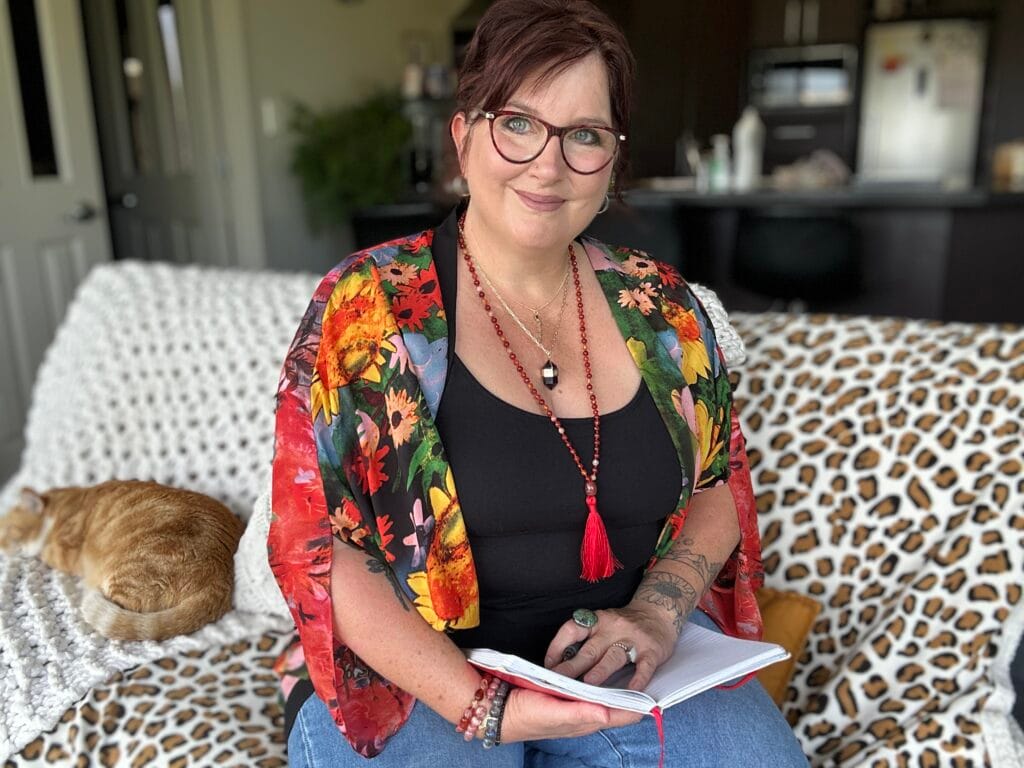
Tanya Valentin is a neuro-affirming family coach, writer, and community leader supporting parents of neurodivergent children through burnout recovery.
Drawing on lived experience, nervous-system-informed practice, and relational facilitation, her work explores grief, identity, and the quiet return to self-trust.
She is the founder of the supportive community who are parenting neurodivergent children and teens in burnout, From Burnout to Balance and the author of Tiny Anchors: Small Moments of Care for Parents in Burnout
Have you enjoyed reading this blog? Subscribe and receive fresh reflections, parenting resources and validation every time I push publish.

2 Comments on Why Relational Safety in Autistic Burnout Recovery Must Include Parents Too