When Safety is Present but the Mask Remains
Many parents believe that once they lower demands, learn about burnout, and create a safer home environment, their child will naturally stop masking.
Sometimes that happens.
But often, it doesn’t, or at least not in the way parents expect.
Autistic masking is rarely just a habit or something a child consciously decides to do.
More often, autistic masking is a survival adaptation. A way of navigating a world that has repeatedly communicated, directly or indirectly, that certain parts of our children are easier to love, understand, accommodate, or accept than others.
And even when safety begins to grow, the nervous system may still be asking: “What happens if people see the real me, and is it safe?”
For many neurodivergent children recovering from burnout, this question sits quietly beneath the surface of everything.
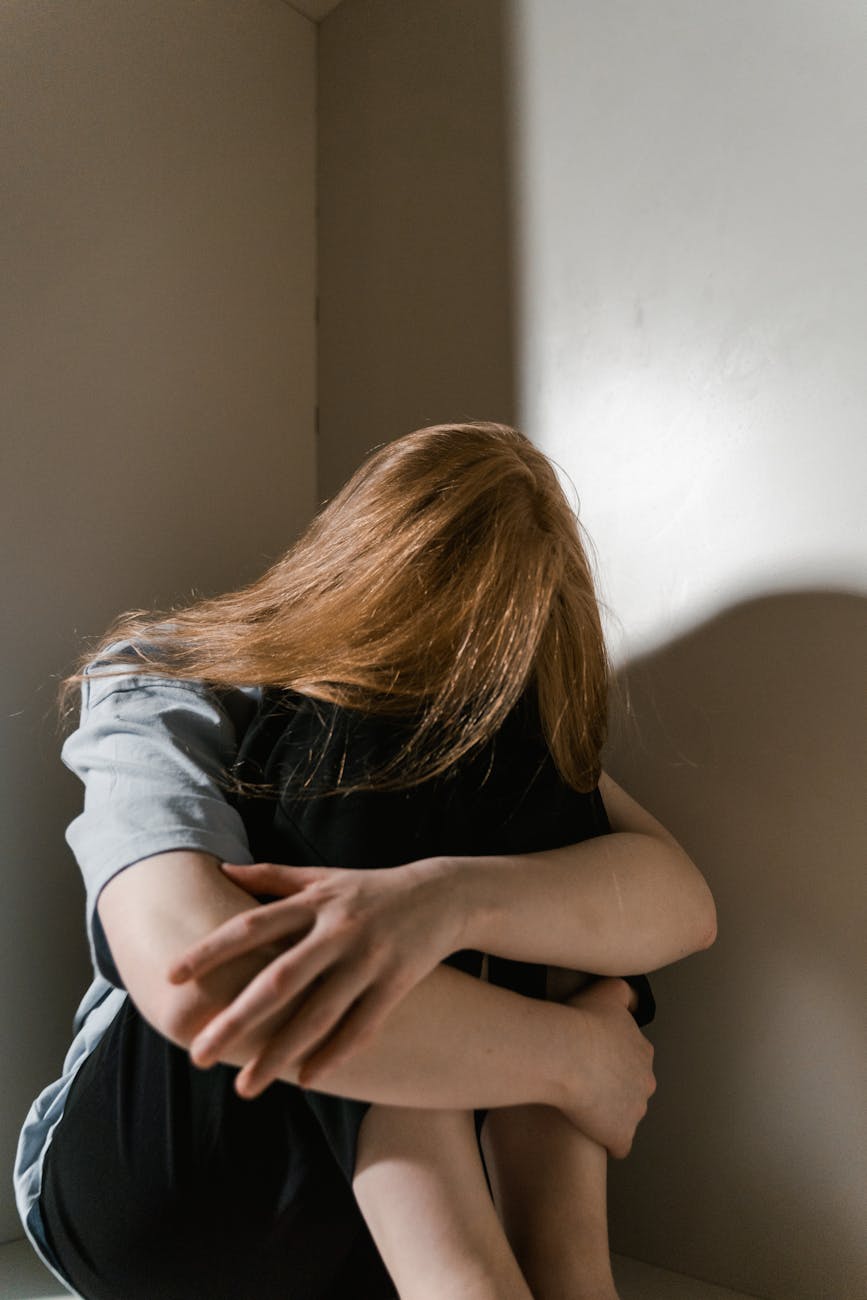
What is Autistic Masking?
Autistic masking is often described as hiding autistic traits, copying others, suppressing needs, or performing socially expected behaviours.
But I think that definition can sometimes miss something important.
Autistic masking is not simply about behaviour.
It is about belonging.
It is about protection.
For many autistic humans, masking is about the relationship between authenticity and safety.
Autistic children often learn to mask because, somewhere along the way, being fully themselves felt risky.
This is often the result of being corrected repeatedly, misunderstood, their needs being inconvenient for the people around them, or learning that their distress made adults uncomfortable.
Many autistic children discover that praise, connection, approval, and acceptance come more easily when they are calm, compliant, helpful, flexible, high-achieving, grateful, or easy to be around.
Over time, their nervous system starts collecting evidence.
Evidence about what is safe, what is welcome and about which parts of themselves belong and which parts might threaten connection.
Autistic masking is often what grows in the space between authenticity and belonging.
Two Types of Masking
When many people think about masking, they think about behaviour.
An autistic child forcing eye contact, suppressing stims, copying peers, trying to appear calm – working hard to fit in socially.
This is often what we might call external masking. The things other people can see. But there is another form of masking that is often less visible and, in some ways, even more important to understand – relational masking.
Relational masking happens when autistic children hide not just their autistic traits, but their inner experiences.
They learn to hide their fear, overwhelm, confusion, sensory distress, grief, anger, their need for support, their differences and their authentic preferences and boundaries.
An autistic child might say, “I’m fine,” when they’re not or force themselves through situations that feel unbearable.
They might become the helper, the achiever, the peacemaker, or the ‘easy child’.
Not because they are trying to deceive anyone, but because somewhere along the way, they learned that parts of themselves felt safer hidden than seen.
This is why masking is often far more complex than simply teaching an autistic child that they can stim or wear headphones. For many autistic children, the deepest mask is not behavioural, but relational.
And at the heart of this is the belief that certain truths about who they are might threaten connection, belonging, acceptance, or love.
This is why creating relational safety matters so deeply, because autistic children are not just learning whether their behaviours are accepted. They are learning whether they are accepted.
Why Autistic Children Mask
Autistic Masking is often misunderstood as a choice. As though children wake up one day and decide not to be themselves.
But masking is usually an adaptation, a nervous system strategy. A way of staying safe within environments that feel difficult to navigate.
Children may begin masking when they repeatedly experience messages such as:
- “Your emotions are too much.”
- “You’re too sensitive.”
- “You’re overreacting.”
- “Why can’t you just…”
- “Everyone else can do it.”
- “Don’t make a fuss.”
- “You’re being difficult.”
These messages are not always spoken directly. Sometimes they are communicated through sighs, impatience, correction and comparison.
This is often reinforced through visible discomfort when a child struggles.
Over time, many children begin to ask themselves: “Which version of me gets connection?”
“Which version of me gets approval?”
“Which version of me feels safest?”
And then they begin building that version.
Not because they are trying to be inauthentic, but because it works.
The uncomfortable truth is that masking reduces conflict and protects belonging.
For autistic children, masking can become particularly powerful because they are often navigating environments designed around neurotypical expectations. The message they receive may not be that they are loved less; it may simply be that life becomes easier when they hide parts of themselves.
The reality is that many autistic children become so skilled at masking that the adults around them no longer see how much effort survival is costing.
How Autistic Masking Contributes to Burnout
One of the most important things parents need to understand about autistic masking is this:
Masking takes energy. An enormous amount of energy.
Imagine spending every day monitoring your facial expressions, body language, tone of voice, sensory discomfort, emotions, movements, other people’s reactions, social rules that don’t come naturally and expectations that constantly shift. And then lying awake at night replaying the whole performance. Every conversation. Every facial expression. Every moment you think you got wrong. Carrying the weight of rejection sensitivity and self-criticism, while making a mental list of all the ways you’ll try harder tomorrow.
Now imagine doing that while also trying to learn, socialise, cope with uncertainty, manage sensory overwhelm, and navigate the normal demands of life.
For many autistic children and teens, this is happening all day, every day.
Autistic masking creates a hidden workload, a constant state of self-monitoring and self-suppression, while from the outside, an autistic child may appear to be coping.
They may be achieving academically, attending school, participating socially and meeting expectations. But underneath, their nervous system may be carrying an extraordinary burden.
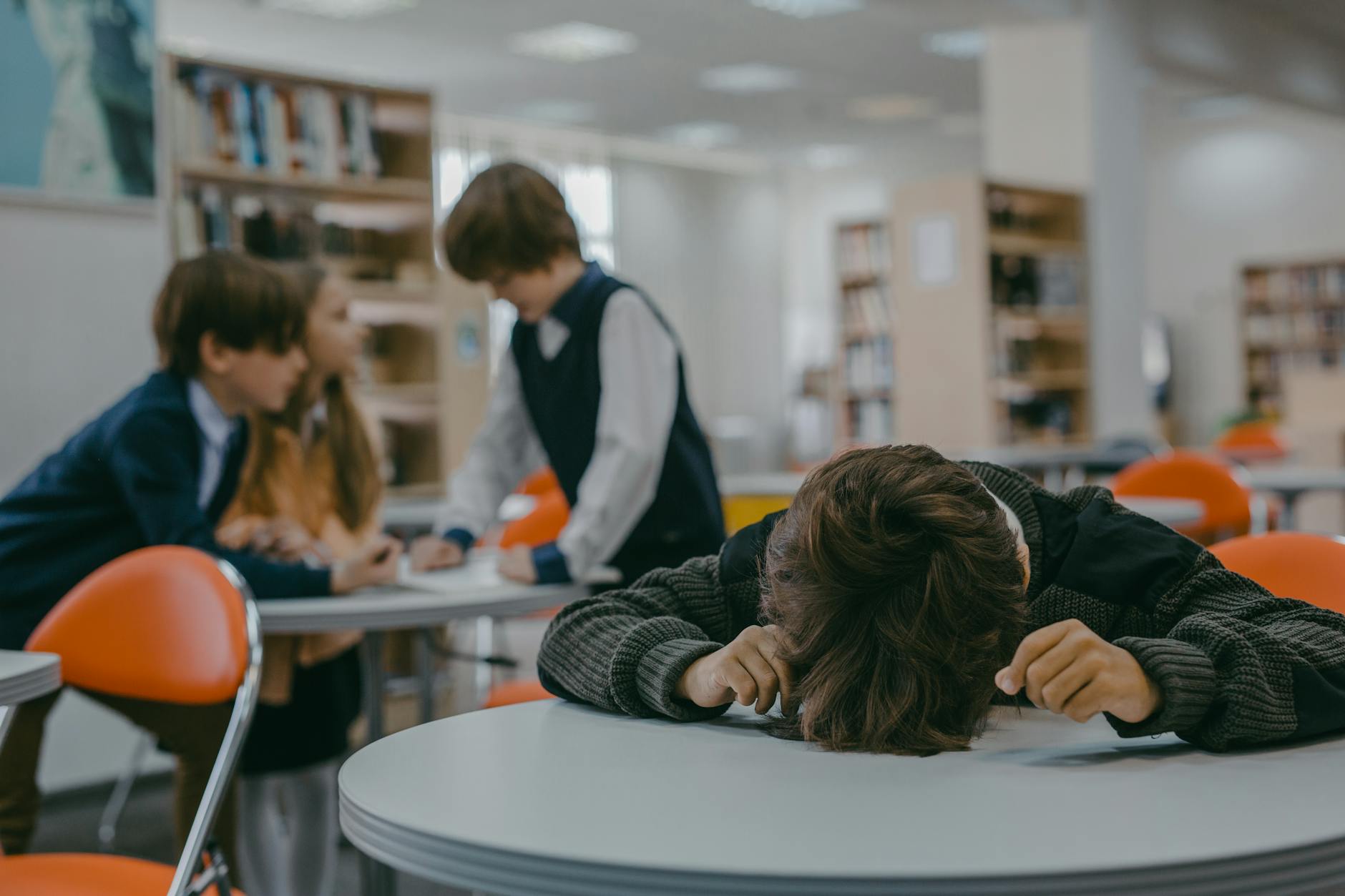
This is one reason burnout can seem to arrive “out of nowhere.”
Parents often tell me:
“They were doing fine.”
“Nobody saw this coming.”
“Everything seemed okay until it wasn’t.”
But often the signs were there. The child was simply carrying them silently.
Autistic masking can delay recognition of distress because it hides the very signals that tell us support is needed. Eventually, the cost becomes too high, and the nervous system runs out of resources.
The strategies that once held everything together stop working, and what looks like sudden collapse is often the visible endpoint of years of invisible effort. This is why I often encourage parents to think of autistic masking not as the problem itself, but as information.
A clue.
A sign that an autistic child may not feel safe enough, supported enough, accommodated enough, or resourced enough to exist authentically within their environment.
And perhaps one of the most compassionate questions we can ask is not: “Why can’t my child cope?”
But: “How much energy has my child been spending trying to appear as though they are coping?”
Why Unmasking is Not as Simple as Removing Stress in Autistic Burnout
When parents first learn about masking, it can seem logical to assume that if we remove the stressful environment, the mask will disappear too.
Sometimes this happens, but often it doesn’t because masking is rarely just a response to a particular place, person, or situation. It is often a response to years of accumulated experiences.
The nervous system learns from patterns.
It learns what feels safe and what feels dangerous. What creates connection and what threatens belonging.
Over time, many autistic children begin carrying these lessons inside themselves.
This means an autistic child can leave the environment where masking developed and still feel unable to stop masking.
They may leave school but continue monitoring themselves, or leave stressful friendships but still hide their feelings.
This can also help explain why burnout recovery sometimes feels so confusing or inconsistent.
Parents may see signs of progress, more engagement, greater flexibility, or moments where their child seems more like themselves again, only for things to suddenly become difficult once more.
This is because, even in ‘safe’ relationships, an autistic child is often still working incredibly hard behind the scenes to manage, cope, and hold things together. What looks like recovery on the outside may still be carrying a significant hidden cost.
Many autistic children may spend more time at home but still struggle to show distress, ask for help, express needs, set boundaries, or reveal parts of themselves that have felt unsafe to share.
Because the question is often no longer: “Is this environment safe?” The question has become: “Can I trust that I will still be loved if people see the real me?”
And that is a much deeper question. One that cannot be solved by environmental changes alone.
Environmental safety matters enormously, reducing demands matters, and accommodations matter.
Burnout recovery often requires all of these things, but unmasking is not simply an environmental process. It is also a relational process that happens through experiences of being known, accepted, believed, and allowed to have needs.
It is also about being allowed to disappoint people, to be different, being allowed to say no and being allowed to take up space without earning the right to do so.
For many autistic children, the mask developed within relationships. Not because their parents failed them or because they were unloved, but because all humans are constantly learning about themselves through the responses of the people around them.
This is why unmasking in burnout can feel so vulnerable.
The autistic child is not simply revealing hidden traits; they are testing something much bigger.
They are asking: “Will this relationship still feel safe if I stop performing?”
“Will I still belong if I stop being the easy child?”
“What happens if I disappoint people?”
“What happens if I say what I really think?”
“What happens if I stop protecting everyone else from my struggles?”
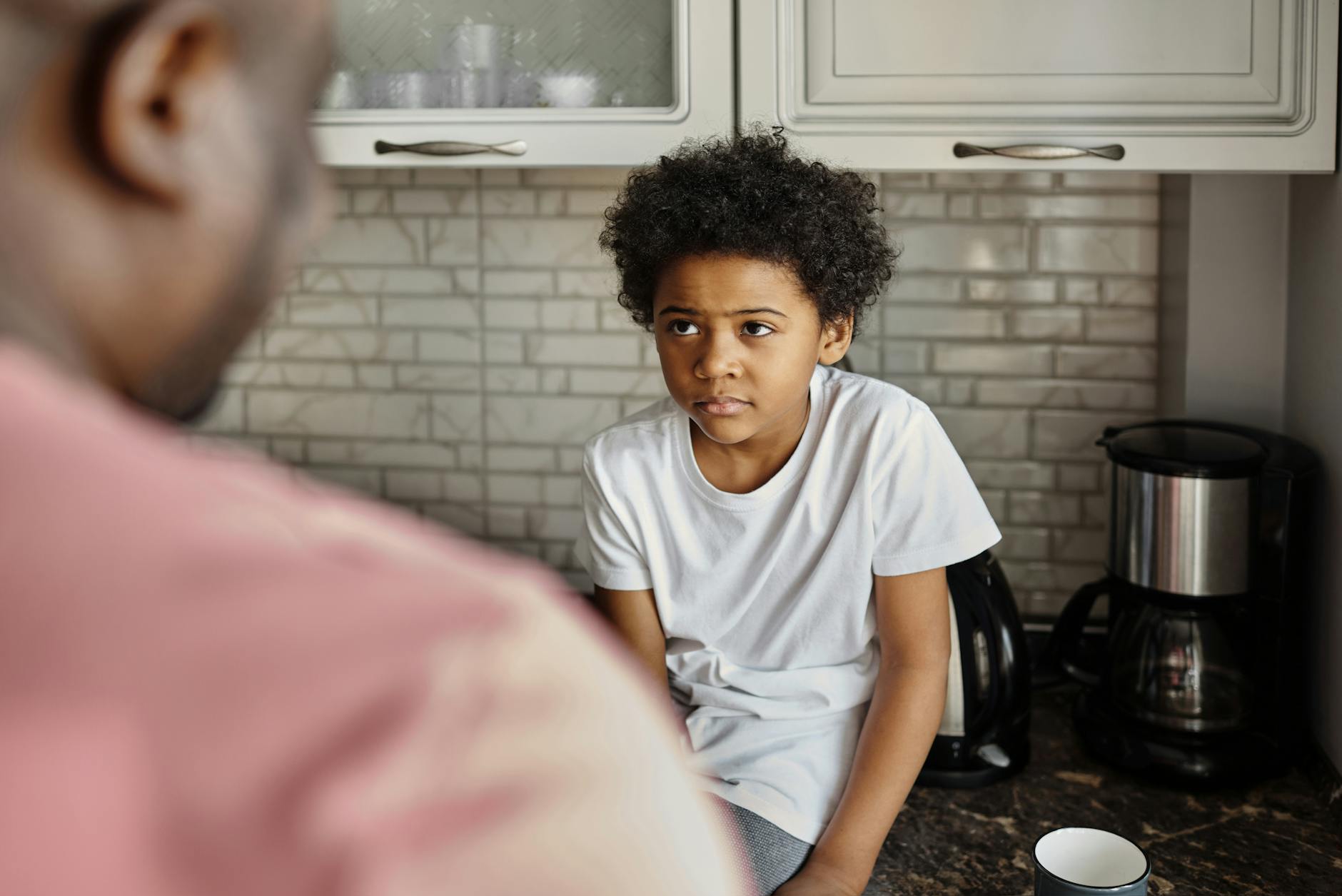
These questions are often not spoken aloud, but they are frequently present beneath the surface. This is why unmasking is rarely a straight line.
Children often move forward and backward. One day, they may share something vulnerable, the next day they may retreat again.
They may test a boundary and then become anxious about how it was received, or reveal more of themselves and then suddenly appear more masked again.
This does not necessarily mean safety has disappeared; it often means their nervous system is carefully gathering evidence and slowly testing whether authenticity is truly safe.
The Hidden Question Beneath Autistic Masking in Burnout Recovery
One of the hardest and most confronting questions for many of us as parents is not:
“Am I loving my child?”
But rather:
“Under what conditions does my child feel safest receiving my love?”
Because conditional acceptance is rarely communicated through wanting to do harm. Most often, it is communicated through subtle relational patterns.
Through parents’ nervous system responses, facial expressions, disappointment, urgency, what gets rewarded, what gets corrected and the things that make us visibly uncomfortable.
Children are exquisitely sensitive to these signals. Human beings are wired to monitor relationships for safety, especially when they are dependent on those relationships for survival.
The Hug that Taught Me Something Important About Parenting and Unmasking
One of my children does not like hugs.
Not from me, extended family or even from some of the people she loves most.
Before burnout, she often tolerated hugs she didn’t really want, because that was what she thought was expected or what socially acceptable behaviour looked like.
When she started refusing hugs during burnout, if I’m honest, there were times when I struggled with that.
There was a part of me that felt hurt, rejected, sad and unsure how to comfort her when she felt distressed.
I could tell myself stories about what her refusal meant, but what I came to realise was this:
Every time I responded to her boundary with disappointment, frustration, guilt, or pressure, I was unintentionally teaching her something.
Not with my words but with my nervous system, facial expressions and the shift in my energy.
The message wasn’t: “I love you.”
The message became: “I love you more when you meet my expectations.”
And that was never my intention.
But intentions and impact are not always the same thing. Real relational safety required something different from me.
It required respecting her boundaries, trusting her autonomy and seeing her as a self-determining person rather than someone responsible for meeting my emotional needs.
It meant learning to offer comfort and connection in ways that fit her unique autistic neurology rather than expecting her to adapt to mine.
Why Unmasking can Look Worse Before it Looks Better
One of the reasons burnout recovery feels so confusing is that parents often expect increasing safety to produce increasingly regulated behaviour, but that is not always what happens.
Sometimes, greater safety allows children to stop performing.
To stop suppressing and to stop holding everything together.
Often, what emerges first is not relief, it is grief, exhaustion, anger, confusion, sensory overwhelm, repetitive thinking, big emotions and years of accumulated stress finally looking for somewhere to go.
This is one reason why unmasking can initially look messier before it looks freer.
The mask was never the problem – the mask was the protection.
When the protection begins to soften, the things it was protecting often become visible.
Why Parents are Often Unprepared for Their Autistic Child’s Unmasking
Many of us have been taught that healing should look peaceful.
Growth should look hopeful. Recovery should move steadily forward. And authenticity, once it finally emerges, should feel beautiful and freeing.
But autistic burnout recovery often dismantles those stories, because when a child stops performing, the reality underneath can be confronting. Sometimes what emerges is not the child we expected to find. Sometimes it is a child carrying anger, grief, rigidity, fear, sensory overwhelm, distrust, exhaustion, or needs that are far greater than anyone realised.
And alongside all of that can come a difficult truth that many parents feel but rarely say out loud:
Sometimes, unmasking is hard to witness. Not because parents don’t love their children, but because the mask often hides things that feel easier for everyone to live with – the child who appeared flexible, capable, happy and resilient.
When those layers begin to fall away, parents can find themselves grieving. Grieving the child they thought they knew, the parenting story they imagined, the future they had quietly pictured and the realisation that their child may have been carrying far more distress than anyone understood.
And sometimes grieving the uncomfortable truth that survival required more from their child than it ever should have.
There can also be fear. Fear that this version of their child is becoming someone they no longer recognise, that things will never get easier.
That we are somehow getting it wrong.
Parenting culture doesn’t leave much room for these feelings. We are told we should accept our children exactly as they are, and while that aspiration is beautiful, acceptance is often not a single moment.
It is a process.
A grieving process, a reckoning, an unlearning.
A slow reshaping of the stories we inherited about success, happiness, behaviour, independence, and what it means to live a good life. Sometimes loving our children deeply and struggling with parts of what is emerging can exist at the same time.
That does not make parents bad. It makes them human. Burnout recovery is rarely just asking a child to change. It often asks the entire family system to confront truths that were previously hidden. To loosen their grip on old expectations, tolerate uncertainty, grieve, adapt and learn new ways of relating.
And perhaps one of the hardest parts of this journey is discovering that loving our children as they are is not always a feeling. Sometimes it is a practice, a choice we make again and again while our hearts catch up to what our minds already know.
And that, too, is part of the work.
Becoming Safer Places For Truth
I don’t think the question is: “How do we get our children to stop masking?”
I think the deeper question is: “How do we become safer places for truth?”
And that includes becoming safer places for our own truth, too.
Children do not only learn from what we allow them to say, but they also learn from what we allow ourselves to feel. What we name, grieve and what we repair. What we bring into the light.
Sometimes this sounds like:
“I realised I learned to hide my feelings too.”
“I’m noticing how often I pretend I’m okay when I’m not.”
“I was taught that needing help was weakness.”
“You don’t need to protect me from your truth.”
“I love you even when things are messy.”
Not because children need to carry our pain – they don’t. But because emotional honesty creates permission. It makes the unseen visible. And this gently disrupts the shame that often travels silently through generations.
Perhaps This is What Rehumanising Parenting Really Asks of Us as Parents of Autistic Children in Burnout
Not perfection.
Not endless patience.
Not getting it right all the time.
But the willingness to stay curious, compassionate, and connected while both we and our children are changing.
Burnout recovery is rarely just a child’s journey. It often becomes an invitation for the whole family to unlearn old survival patterns, grieve what has been lost, and build new ways of relating that honour everyone’s humanity.
This is the heart of the work we do inside From Burnout to Balance. A place where parents can learn about how to support their child’s burnout recovery and unmasking, but also receive support for their own nervous systems, grief, identity, and healing. Because when parents are supported, too, families have a greater chance of finding their way forward together.
References
Kristy Forbes. When Burnout Looks Like Breaking.
The Reframe Diaries. Autistic Masking, Childhood Trauma, Chronic Conflict, and Attachment Disruption.
Hull et al. (2017). Putting on My Best Normal: Social Camouflaging in Adults with Autism Spectrum Conditions.
Milton (2012). The Double Empathy Problem.
The Person Who Wrote This Blog
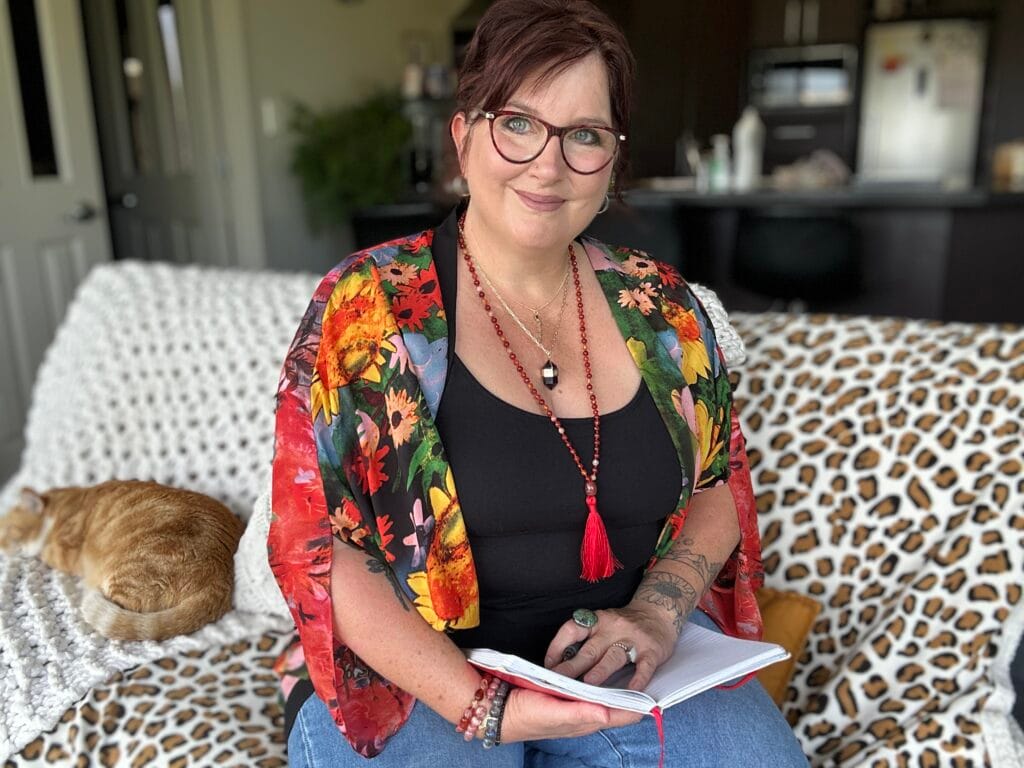
Tanya Valentin is a neuro-affirming family coach, writer, and community leader supporting parents of neurodivergent children through burnout recovery.
Drawing on lived experience, nervous-system-informed practice, and relational facilitation, her work explores grief, identity, and the quiet return to self-trust.
She is the founder of the supportive community who are parenting neurodivergent children and teens in burnout, From Burnout to Balance and the author of Tiny Anchors: Small Moments of Care for Parents in Burnout
Have you enjoyed reading this blog? Subscribe and receive fresh reflections, parenting resources and validation every time I push publish.