Why Asking For Help Feels So Hard For Parents Of Neurodivergent Children
Many parents raising neurodivergent children, teens, and young adults have moments where they ask themselves, “Why do I feel like a bad parent?”
Which often means they then go on to struggle to ask for help. Not because they are unwilling, but because asking for help can feel like standing under a spotlight of judgment and scrutiny.
When your child is autistic, ADHD, PDA, burnt out, masking, melting down, shutting down, or unable to manage school, the need for support can arrive wrapped in fear.
Fear that you should have known sooner.
Fear that you should have been able to prevent it.
Fear that needing help means you have failed.
Fear that someone will look at your child’s struggle and dismiss their struggle because they view your parenting as the problem.
This is one of the quiet, painful barriers so many neurodivergent families carry. Because before many parents can think about reaching for support, they often have to move through layers of inherited shame, cultural judgment, and old stories about what “good parenting” is supposed to look like.
This layering starts early in our lives, in our families of origin, long before we have language for it.
For parents in the long middle of autistic burnout recovery, that unmapped terrain between the crisis and okay again, where most families are quietly living, these inherited beliefs do not just sit in the background. They shape every decision, every request for help, and every moment of self-doubt along the way.
My Story: How Cultural Conditioning Shaped My Parenting
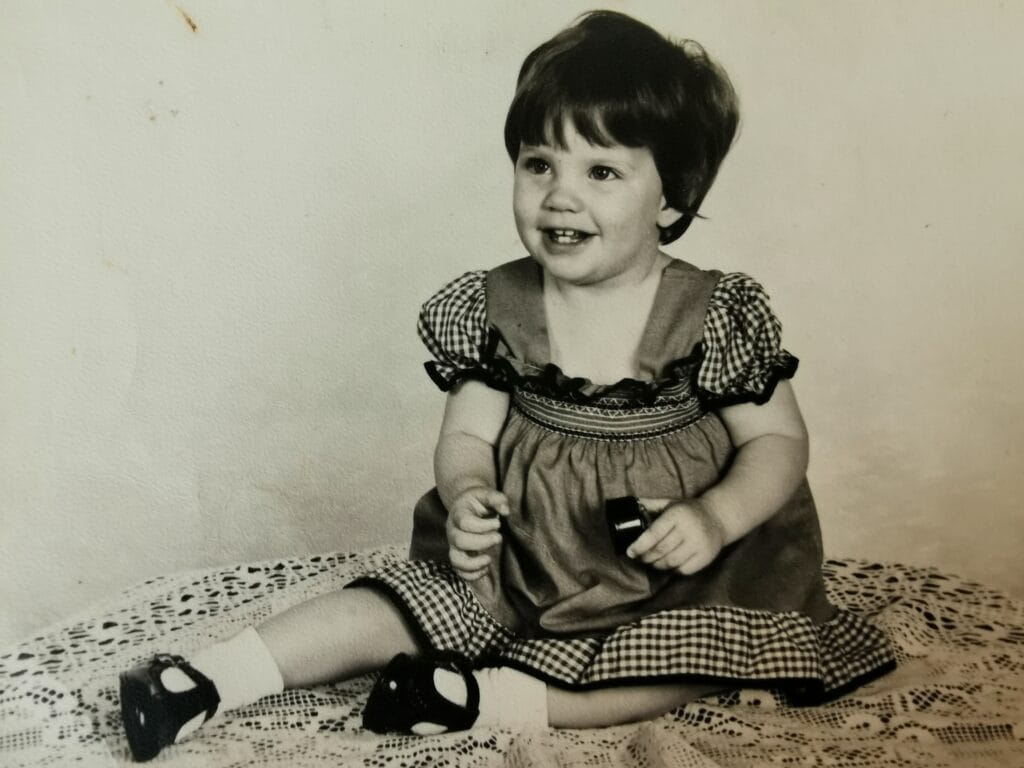
I am the eldest daughter of a pastor.
From the time I was very young, I understood that I was being watched.
By my parents.
By the congregation.
By God.
I was told, over and over again, that I was supposed to be a shining example. And I tried. I really tried to live up to that.
What nobody around me knew, including me, was that I was an undiagnosed ADHDer, quite possibly with internalised PDA.
So the expectation to perform goodness constantly was not just hard. For my nervous system, it was close to impossible.
By sixteen, I couldn’t do it anymore.
I remember saying to myself, as I buckled under the weight of all that expectation:
“I just can’t do this anymore.”
And so I made a choice. Not to act out. Not to become bad. Not to reject everything for the sake of rebellion.
But to finally put down the heaviness of the life that other people had chosen for me, and begin exploring who I actually was.
When Being “Good” Became a Performance
From the outside, it looked like my life was going off the rails.
My parents were worried and disappointed, and they did what many worried parents do.
They sent me to a therapist.
This was my first ever experience with a mental health professional.
He told me I could trust him, and what I shared was confidential. Assured me it would not go back to my parents.
I believed him, and for the first time in my life, I started to say the truth out loud. And then he staged a meeting with my parents and prompted me, in front of them, to divulge everything I had told him in private.
That was my first experience of betrayal by someone who was meant to help me.
And the lessons sixteen-year-old me learned were:
- Therapy is a kind of punishment. A place you go when you have done something wrong.
- Therapists cannot be trusted. Confidentiality is conditional. Honesty can be used against you.
Shame Became My Armour
Looking back, I think this is part of why I became a teacher.
I think deep down, I believed that if I could become the expert, the one who always knew what to do, I would never again be the one caught not knowing.
I would never again be the vulnerable one.
The exposed one.
The one on the wrong side of someone else’s judgment.
I could get it all right.
I could become so competent, so prepared, so knowledgeable, that I would never have to feel that kind of powerlessness again.
Teaching was not just a career. It was armour.
A way of trying to make sure I would never again be the person being assessed, corrected, misunderstood, or shamed.
So when it became clear, years later, that my own undiagnosed autistic children might need therapy, the armour cracked. I found myself frozen.
Some part of me still believed therapy was unsafe. Part of me still believed it was something that happened to you when you had failed, or done something wrong, or become too much for the people around you.
And underneath that was the more devastating realisation.
My insight was not immunity.
The thing I had built to protect myself had never actually protected me at all.
I was still the eldest daughter.
Still being watched.
Still terrified of getting it wrong.
Being a teacher had not made me safe. It had simply given the fear a more respectable shape, and in some ways, it had amplified my shame instead of insulating me from it.
The Cultural Beliefs That Drive Parent Shame In Neurodivergent Families
This is the story underneath the beliefs I want to name today.
Not because they are abstract cultural ideas. But because I lived inside them.
Because one thing I have noticed, as a parent and as a family coach, is that so many of us carry some version of these beliefs.
They are reinforced by families, faith communities, schools, medical systems, therapy systems, and wider cultural stories about what good parenting is supposed to look like.
These beliefs were not invented by bad people. They were passed down by people who were also doing their best inside systems that shamed them, too.
And for neurodivergent families, these beliefs can become especially heavy. Because we are often already moving through systems that misunderstand our children, pathologise their nervous systems, minimise our concerns, and place the responsibility for “fixing” everything back onto parents.

These beliefs do not just shape how we parent. They shape whether we ask for help.
They shape how much shame we carry and how long we try to cope alone.
The Beliefs I Inherited, And The Ones I See In Almost Every Parent I Work With
There Is Only One Way To Parent
Many parents carry the belief that there is one “right” way to parent.
A good way.
A respectful way.
A firm way.
A calm way.
A way that will produce the “right kind of child.“
For parents of neurodivergent children, this belief can become especially painful, because our children often do not respond to the parenting scripts we inherited or the advice we are given.
The strategies that are praised in mainstream parenting spaces may increase distress. Boundaries that look “consistent” from the outside may be experienced as threat. Expectations that seem reasonable to others may be too much for a child in burnout.
Many parents can find themselves caught between the child in front of them and the cultural voice in their head that says, “This is not how parenting is supposed to look.”
But there is no single right way to parent well. There is only the ongoing work of meeting the actual child in front of us, inside the actual family we live in, with the actual capacity we have.
Parenting is not like paint-by-numbers. It is not a one-size-fits-all approach.
Your way, built in relationship with your actual child, is allowed to look nothing like the way you were raised. Especially if the way you were raised asked you to abandon yourself in order to belong.
Parenting Should Come Naturally — You Should Already Know What To Do
This is one of the most painful beliefs parents carry. The idea that parenting should be instinctive.
That love should somehow translate into certainty.
If we really know our child, or care enough, or we are doing it “properly,” we should know how to help them.
This belief becomes especially heavy when a child is in autistic burnout, unable to attend school, withdrawing from family life, melting down, shutting down, avoiding demands, or struggling in ways that do not make sense through a mainstream parenting lens.
This belief nearly cost my children the support they needed.
As a teacher, I believed I should have been able to figure out my own family without help. I should have known what was happening.
I should have known what to do. I should have been able to prevent the crisis before it arrived.
Many conversations with well-meaning friends or family members quietly reinforced this. Because underneath the suggestions, questions, advice, and discomfort, there was often an implication that I should know how to get my child out of burnout.
If she is still struggling, still unable to cope, still needing a different pace of life, then I must be missing something, enabling something, not trying hard enough, or making the wrong choices.
So instead of curiosity, many parents receive judgment.
Instead of, “What has this been like for you?” they hear, “Have you tried this?”
Instead of, “What would actually help right now?” they hear, “Surely they can’t just stay home forever.”
Instead of being met as parents carrying something impossibly complex, they can feel assessed, corrected, or quietly blamed.
And over time, those conversations can make it harder to ask for help.
Not because parents do not need support, but because the support they are offered so often comes wrapped in assessment.
Needing therapy, support, a different lens, or someone else to help you see what you cannot see from inside the overwhelm, none of that is failure.
Hard Parenting Is Better Parenting
Many of us inherited the belief that good parenting should be hard.
That children need firmness more than flexibility, or doing things the gentle way, is indulgent.
The predominant belief in many cultures is that reducing demands is giving in. Accommodations are the easy way out. Support, therapy, medication, school adjustments, rest, or a slower pace mean a parent has failed to make their child resilient.
For parents raising neurodivergent children, this belief can become deeply harmful because so much of what supports recovery can look “too soft” from the outside.
Letting a child rest, reducing pressure, prioritising nervous system safety, allowing more time, asking for support, changing expectations, and saying no to school pressure or unnecessary demands.
These things can be misunderstood as avoidance, permissiveness, weakness, or overprotection.
But for a child in burnout, the “hard way” is often not resilience-building. It is nervous system overload, and needing support is not taking the easy way out.
It is recognising that some seasons of family life are too complex, too intense, and too costly to navigate alone.
A Good Childhood Should Be Pain-Free And Conflict-Free
Many parents carry an impossible expectation that a good childhood should be free from pain, conflict, rupture, distress, or struggle.

So when a child is overwhelmed, anxious, burnt out, melting down, shutting down, refusing school, withdrawing socially, or expressing big emotions, parents can feel as though something has gone terribly wrong.
Not just for the child, but with their parenting.
This belief can make ordinary human pain feel like parental failure.
Conflict can feel dangerous, and rupture can feel like evidence that a family is broken.
This can make parents feel responsible for preventing every hard feeling their child might experience. But children do not need a perfect, pain-free life; they need to know they are not alone inside hard things.
They need adults who can stay with them. Adults who can repair, who can make space for grief, anger, fear, disappointment, and overwhelm without turning those feelings into shame.
A peaceful-looking household is not always a safe one.
A good childhood is not one where nothing hard ever happens. It is one where hard things can be met with support, honesty, protection, repair, and connection.
A Struggling Child Means A Failing Parent
Parents of autistic children, ADHD children, and PDA children navigating burnout often describe feeling like they are permanently on trial.
School refusal becomes evidence of poor boundaries at home. Autistic meltdowns become evidence of a lack of parental authority. Shutdowns become evidence that a parent is enabling avoidance.
Demand avoidance becomes evidence that the rules are too loose.
And autistic burnout itself, the complete nervous system collapse that follows prolonged masking and overwhelm, is frequently misread by schools, medical professionals, and extended family as a parenting problem rather than a nervous system crisis that requires a fundamentally different kind of support.
When the adults around a family do not understand what burnout actually is, when they have not yet encountered the language of nervous system safety, co-regulation, low demand parenting, or the long middle of recovery, they reach for the nearest explanation available.
And too often, that explanation is the parent.
This belief sits underneath so much parent shame.
But a struggling child is not a verdict; it is information.
It tells us that something is too much, something is unsupported, unsafe, inaccessible, overwhelming, painful, or beyond the child’s current capacity.
A child’s struggle does not prove that a parent has failed.
It proves that more understanding is needed.
Other People’s Comfort Should Come Before Your Child’s Needs
Many parents learn, often very early, to measure their parenting by how comfortable other people feel around their child.
Can the child sit still?
Can they say hello?
Can they make eye contact?
Can they cope with family gatherings?
Can they manage school?
Can they behave in public?
Can they appear grateful, polite, flexible, and easy to be around?
When a neurodivergent child cannot perform these expectations, parents often feel the pressure immediately.
The looks. The comments. The advice.
The silence.
The sense that everyone else has an opinion about what should be happening.
This pressure can make parents override what they know their child needs in order to protect other people from discomfort.
But a child’s nervous system matters more than another adult’s approval. A child’s access needs matter more than social performance.
A child’s safety matters more than the appearance of “good parenting.”
Sometimes, the most protective parenting choice will be misunderstood by people who are watching from the outside, and that does not make it wrong.
If You Turned Out Fine, Doing It Differently Is Just Soft
This belief often appears when parents begin changing the patterns they inherited.
Many Gen X and Millennial parents will have heard the words, “Well, you were parented this way, and you turned out fine.”
People may say, directly or indirectly, “Well, we survived.”
But just because we look “fine” from the outside does not mean we were not harmed by our own upbringing.

Many adults who “turned out fine” did so by learning to mask, suppress, disconnect, overfunction, people-please, or abandon their own needs.
I believe every generation of parents does the best they can with the understanding and tools available to them. But that does not mean we have to do things the way our parents did.
For many of us, these beliefs were passed down by parents who were also undiagnosed, also doing their best, also carrying more than anyone around them understood.
Glennon Doyle captures this beautifully in Untamed, writing about how a woman becomes a truly responsible parent when she stops being an obedient daughter, when she finally understands she is creating something different from what her parents created.
Each of us gets the chance to learn from the past, alchemise those lessons with what we now know to be true for our own family, and create something new for our children.
We get to choose repair over punishment, accommodation over pressure, connection over control, nervous system safety over compliance, and support over shame.
Because survival is not the same as thriving, and coping is not the same as being well.
For parents of neurodivergent children, doing it differently is not softness.
It is wisdom.
It is pattern-breaking.
It is refusing to use survival as the standard for another generation.
It is asking, “What might my child need in order to feel safe enough to become themselves fully?”
Unlearning These Beliefs Is The Work
None of these beliefs arrived with a label.
Nobody handed them to us and said, here, carry this. Here is the shame script for every hard moment you will face as a parent.
They came quietly, woven into how we were raised, what we were praised for, what we were punished for, and what we watched the adults around us do when things got hard.
For many of us, they were passed down by parents who were also doing their best inside systems that never saw them clearly either. Parents who were also, in many cases, undiagnosed neurodivergent. Also, carrying more than anyone around them understood. Also trying to hold everything together without the language, the support, or the permission to say: This is too much, and I do not know what to do.
That does not make what we inherited right. But it does make it more human.
Unlearning these beliefs is not something that happens through information alone. Reading the right book, finding the right framework, finally having a name for what is happening in your child’s nervous system, all of that matters. But it does not, on its own, undo decades of inherited shame.
Unlearning happens slowly. Inside safety. Inside relationships where you are allowed to tell the truth about how hard this actually is, without being assessed, corrected, or quietly blamed for it.
It happens in the long middle of autistic burnout recovery, that long, non-linear stretch between the crisis and okay again, where most of the real work quietly takes place. The work of rebuilding trust with your child. The work of rebuilding trust with yourself. The work of separating your worth as a parent from your child’s capacity to cope on any given day.
It happens inside community.
Not the kind of community where everyone performs being okay. But the kind where someone finally says the thing out loud, and the whole room exhales because they have been thinking it too.
Support For Parents Raising Neurodivergent Children Through The Long Middle Of Burnout Recovery
This is the kind of unlearning we make space for inside From Burnout to Balance.
Not quick fixes, or more shame.
Not another place where you have to perform being the calm, perfect, endlessly resourced parent.
But a steady, compassionate space to understand what is really happening underneath burnout, demand avoidance, masking, meltdowns, shutdowns, school struggles, and the deep grief that can come with parenting outside the scripts you were handed.
Inside the membership, we talk about nervous system safety, low-demand parenting, repair, burnout recovery, parent identity, and the beliefs that keep families isolated when they most need support.
Because you were never meant to figure this out alone, and you were never meant to carry inherited shame as though it was proof you were failing.
If this piece stirred something in you and you are parenting a neurodivergent child or teen through burnout, I would love to invite you into From Burnout to Balance.
It is a gentle, practical, neuro-affirming community for parents who are ready to feel less alone, less ashamed, and more supported as they find their way forward.
You can learn more and join us here
About the Author
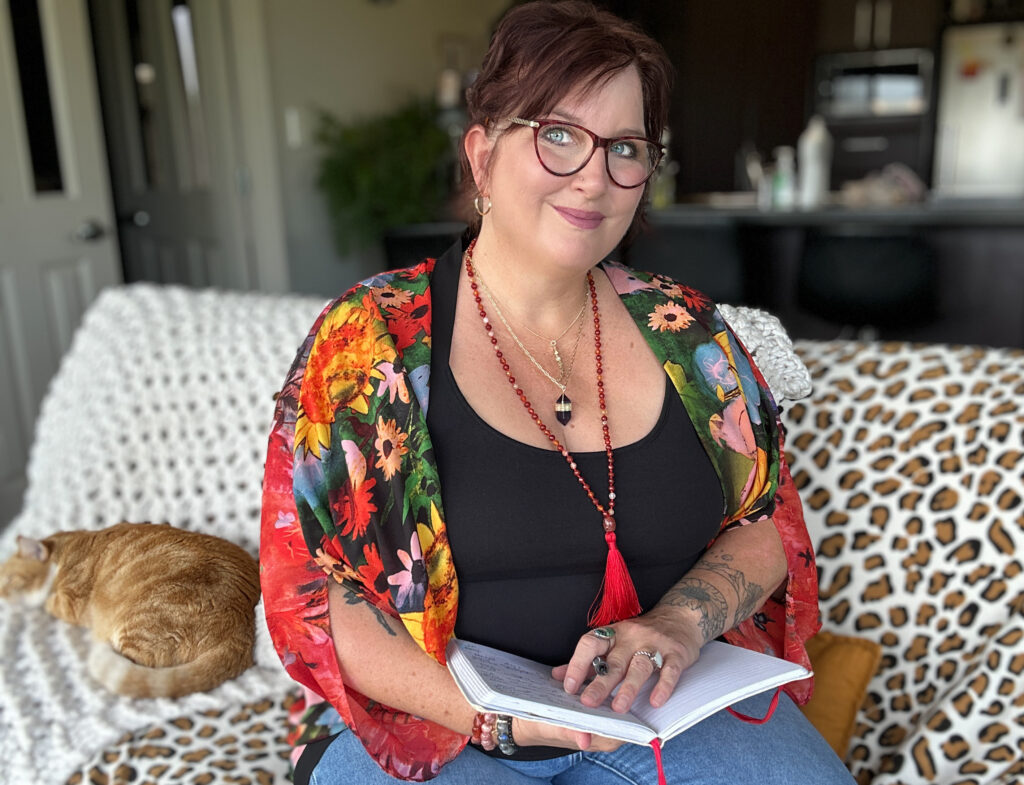
Tanya Valentin is a neuro-affirming family coach, AuDHD parent, author, and podcaster based in Aotearoa, New Zealand. She supports parents of Autistic, ADHD, and PDA children through the long middle of burnout recovery.
Drawing on lived experience and trauma-informed practice, her work explores grief, identity, nervous system recovery, and the quiet return to self-trust.
She is the founder of From Burnout to Balance, a membership community for parents navigating neurodivergent family life, and the author of Tiny Anchors: Small Moments of Care for Parents in Burnout.